9/ February
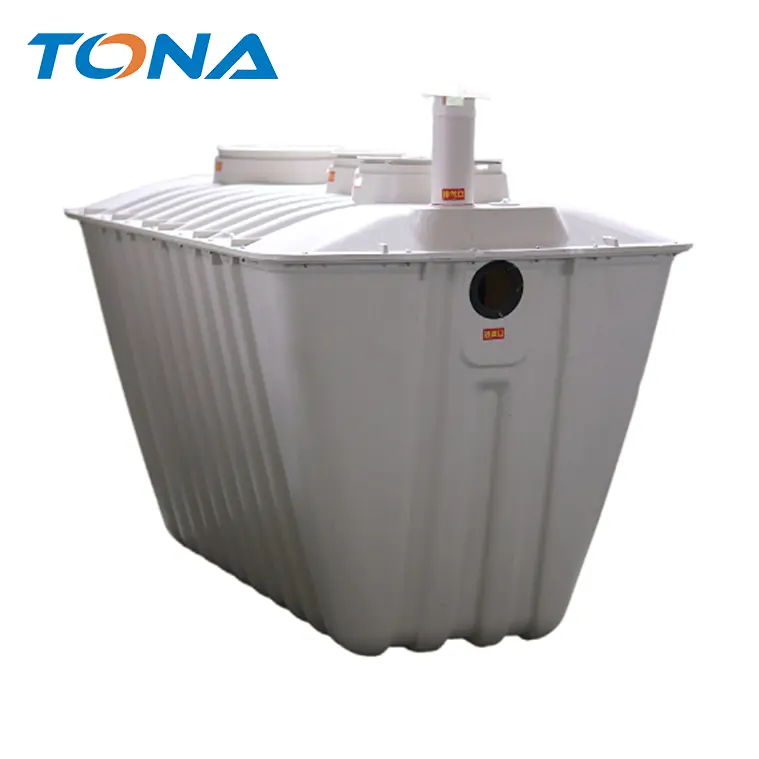
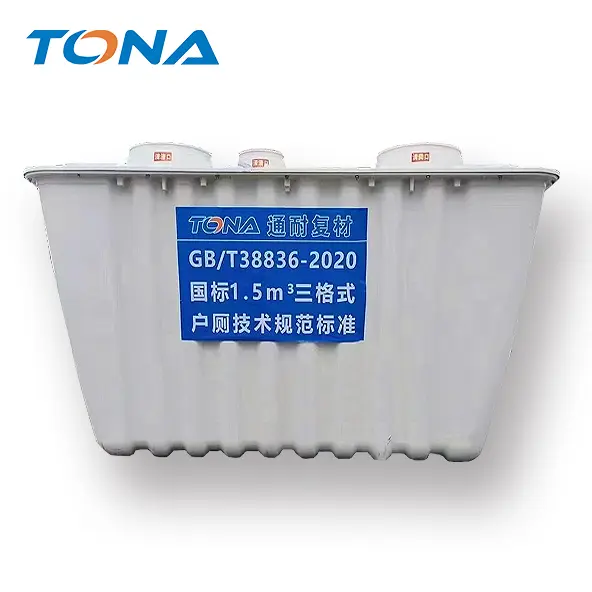
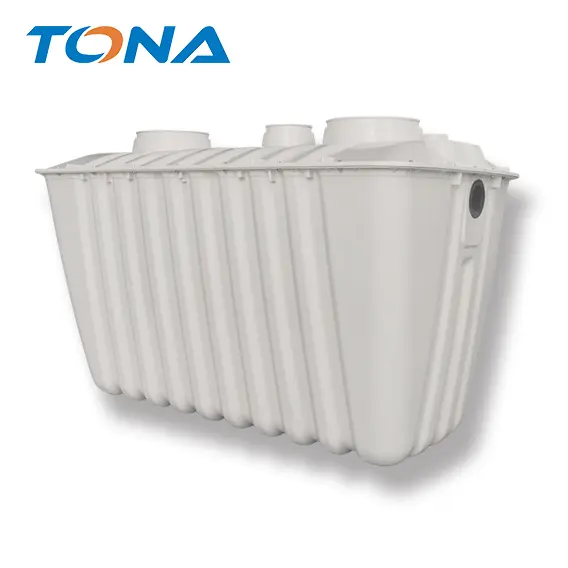
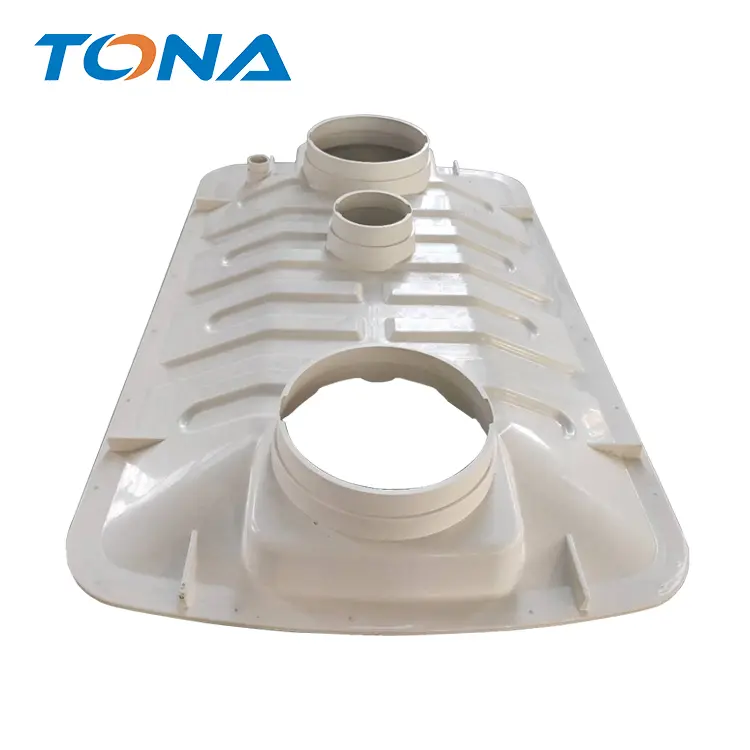
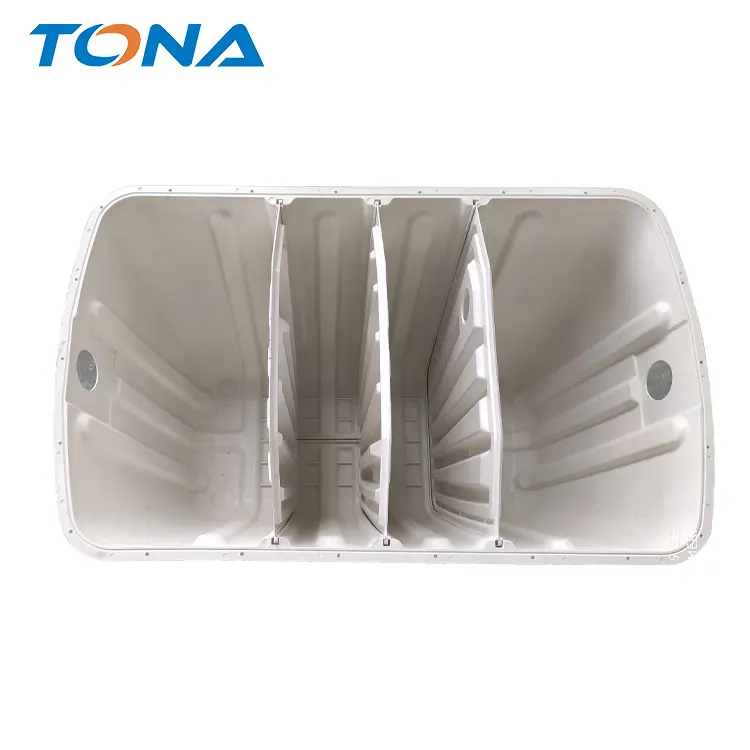
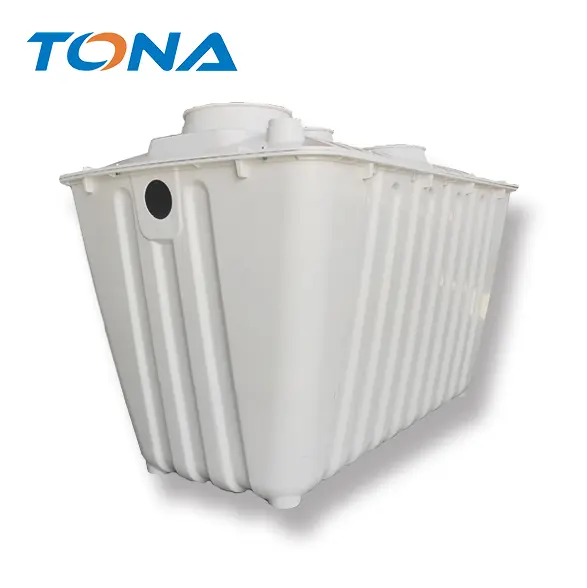
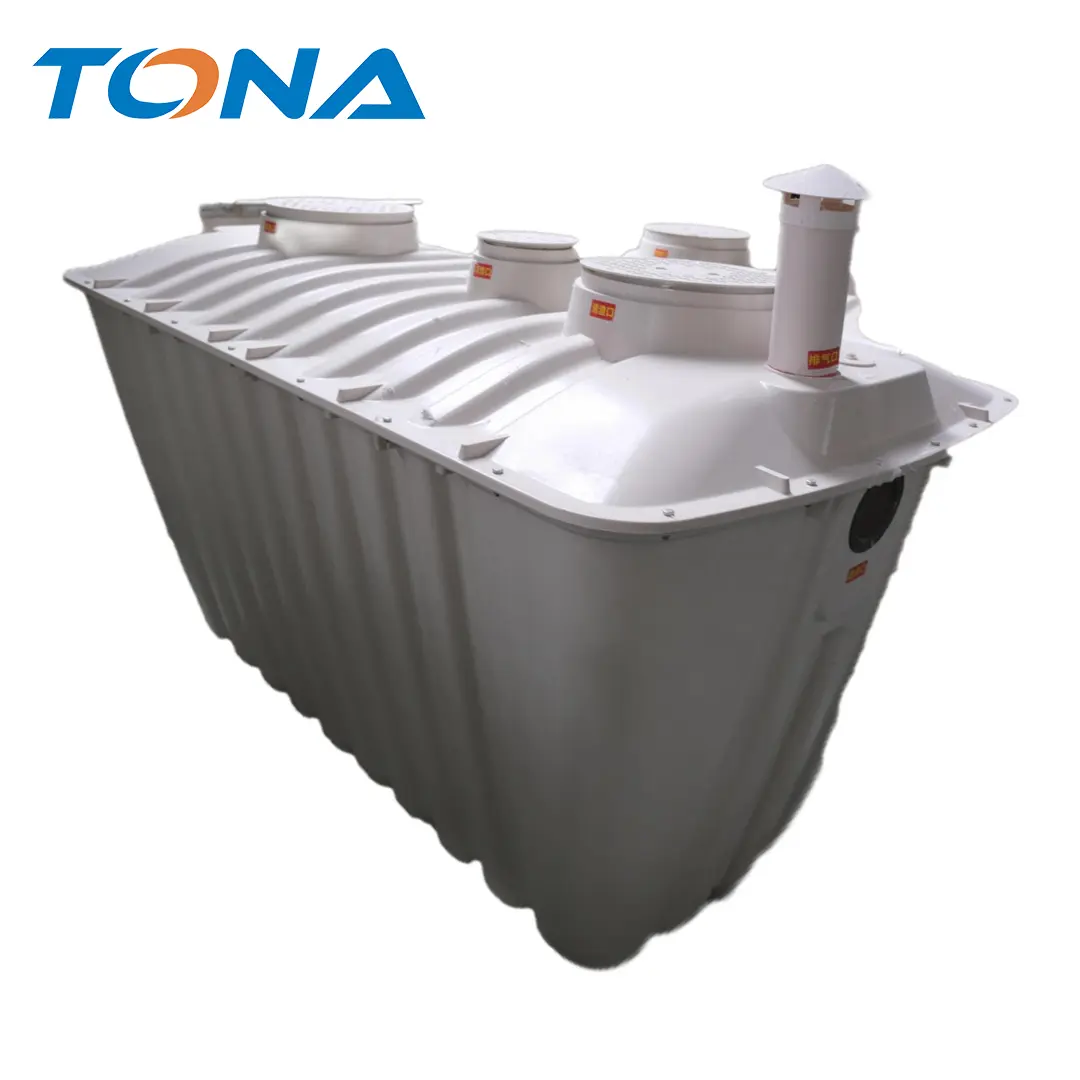
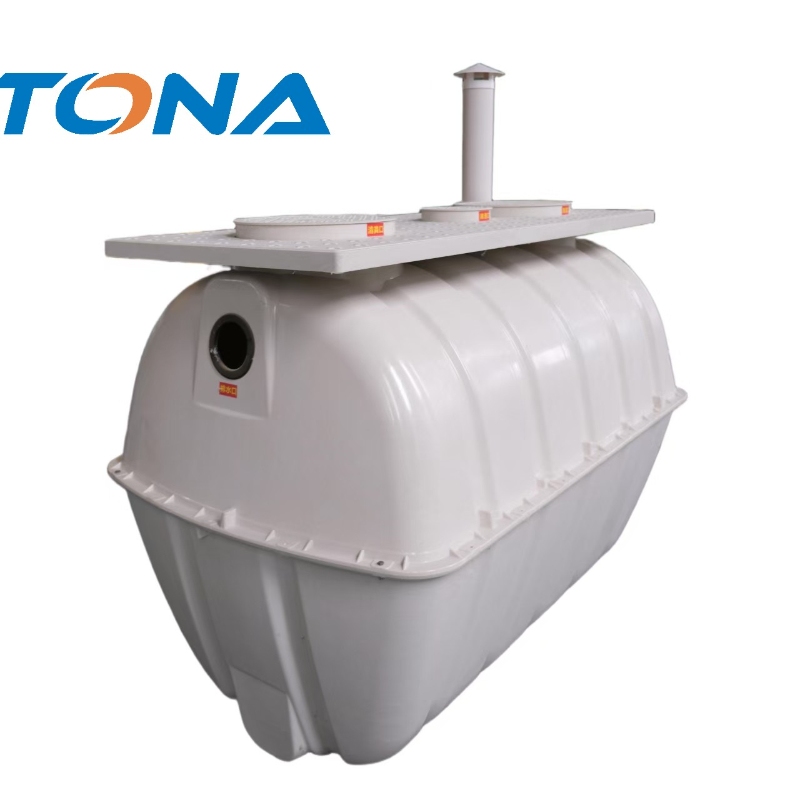
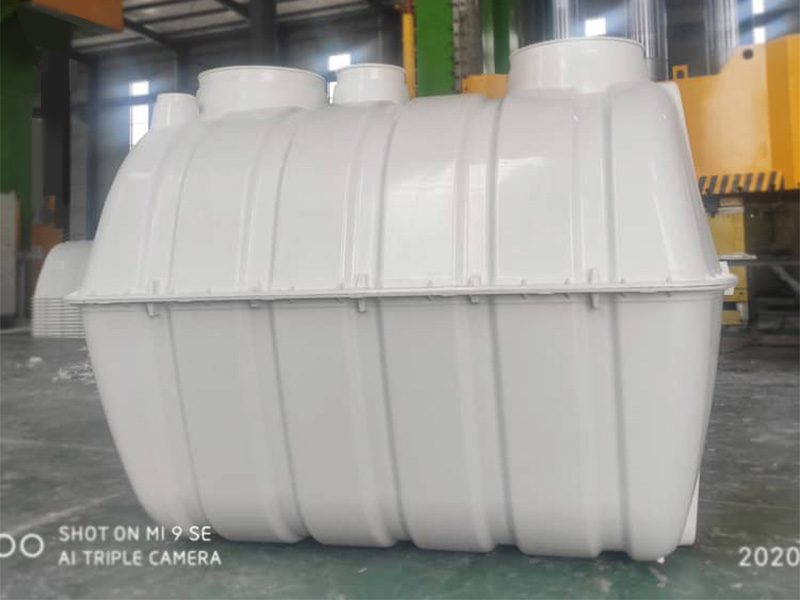
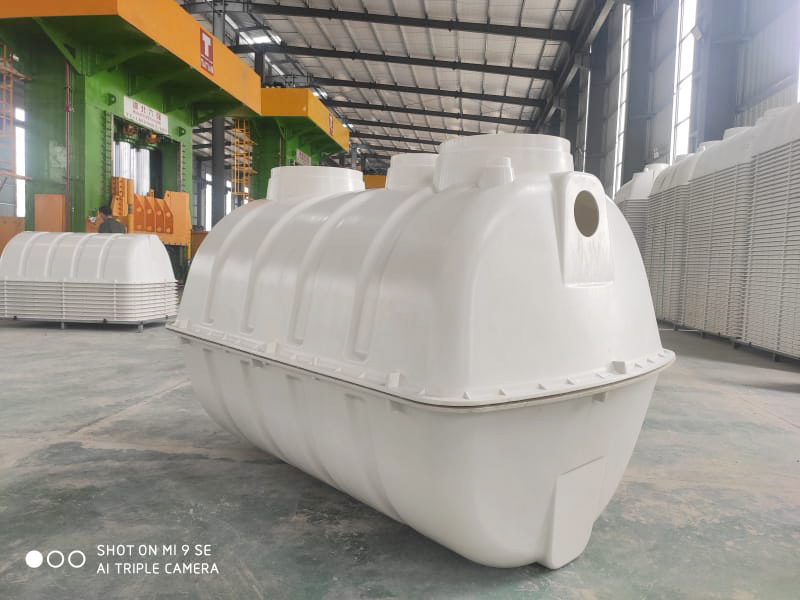
Many people nowadays pay great attention to life’s issues, and there are many important aspects to life. If one were to focus on everything, it would consume a lot of time, not to mention effort. Therefore, if you want to focus on one thing, you must first distinguish between them. You can look into what interests you, and if not, you can skip it. So, what is the installation method for a three-compartment integrated septic tank in rural toilets? How is a fiberglass septic tank used?
How to install a three-compartment integrated septic tank in a rural toilet?
The process is as follows:
Location and placement of the septic tank → Excavation of the foundation pit (with drainage) → Laying the foundation layer → Positioning the septic tank → Filling the septic tank with water → Symmetrical layered backfilling and compaction → Connecting the vent pipe → Constructing the inspection well → Acceptance. The positioning, burial depth, inlet and outlet pipe ends, and inspection wells for the integrated fiberglass septic tank should be determined according to design requirements. The bearing capacity of the foundation should not be less than 100KN/m²; otherwise, foundation treatment should be carried out, with specific measures determined by the designer.
After excavating the foundation pit to the predetermined elevation (without disturbing the existing soil layer), if there is no groundwater, level the underlying layer of the foundation pit, and then lay a 150mm thick medium-coarse sand cushion layer as the foundation for the septic tank. If there is groundwater or during excavation, backfill with sand and gravel or crushed stone with a particle size not exceeding 40mm, with a compaction degree ≥95%. When the soil quality is poor, it is advisable to cast-in-place reinforced concrete foundations and determine the drainage measures to be taken when excavating the foundation pit, based on calculations.
How to use a three-compartment integrated septic tank in rural toilets?
1. The selection of fiberglass septic tanks is based on the specific building and the design parameters are calculated by the project designer.
2. The location of the fiberglass septic tank should, in principle, not affect the building foundation; generally, it should be no less than 10m away from drinking water reservoirs and no less than 30m away from underground water intake structures. When the building foundation plane is higher than the septic tank foundation plane, the distance from the outer wall of the septic tank should not be less than 2m. When the building foundation plane is lower than the septic tank foundation plane, the net distance from the outer wall of the septic tank to the outer wall of the building should not be less than 5m.
3. The integrated fiberglass septic tank should also be covered with soil at a depth of 0.3m. The soil cover should not exceed 3m. In cold regions, when the temperature is below -10℃, the soil cover depth of the septic tank should not be less than 12m. In areas where the average monthly temperature is less than -13℃, when considering the installation depth of the fiberglass septic tank, the designer should preferably place it below the frost line of the region.
4. Fiberglass septic tanks should be installed in green belts, lawns, or under sidewalks, with the soil cover not exceeding 1.5m; they can also be installed on roads.
5. Manhole Covers: When vehicles do not pass through, use lockable lightweight double-layer manhole covers and covers; when vehicles can pass through, use lockable heavy-duty double-layer covers. For fiberglass septic tanks, considering the needs of community greening or road/square paving, cast iron or polymer manhole covers are flush with the ground. In paved areas, the manhole cover can be appropriately lowered below the paving bricks, ensuring the paving bricks on the manhole cover can be opened when needed.
The above mainly describes the installation method of a three-compartment integrated septic tank in rural toilets and how to use a fiberglass septic tank. Septic tanks are particularly important in rural toilets, and while the installation difficulty is not too high, the main focus is on certain components. Therefore, to understand these aspects, it is essential to first investigate the parts before mastering the installation method.
Learn More