Your satisfaction is our relentless pursuit! We warmly welcome you to come and discuss business; we will serve you wholeheartedly.
Your satisfaction is our relentless pursuit! We warmly welcome you to come and discuss business; we will serve you wholeheartedly.
 author
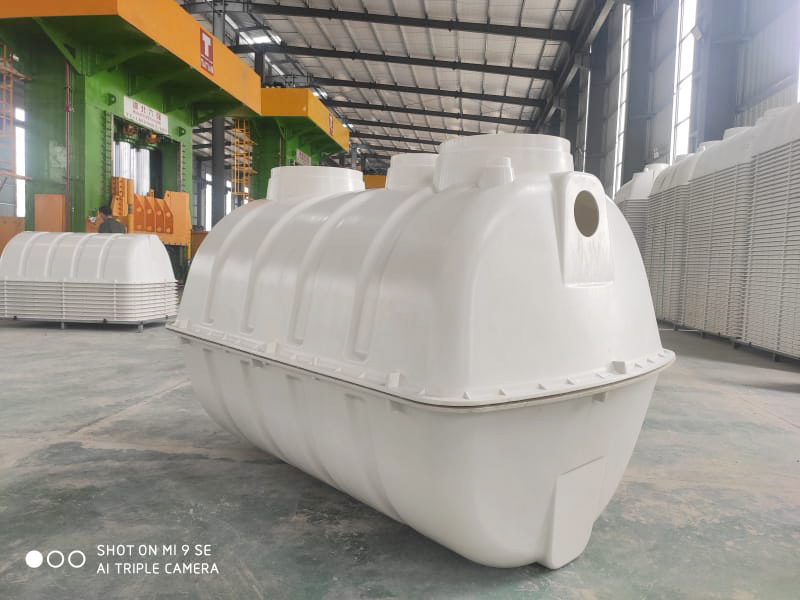
From a structural principle perspective, the three-compartment septic tank is slightly better.
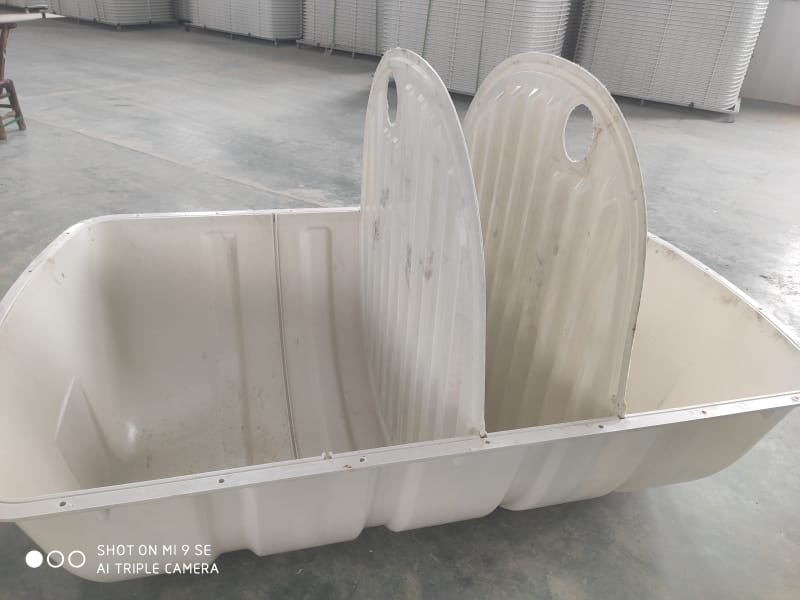
Generally speaking, it involves four steps: filtration and sedimentation, anaerobic fermentation, solid matter decomposition, and sewage discharge.
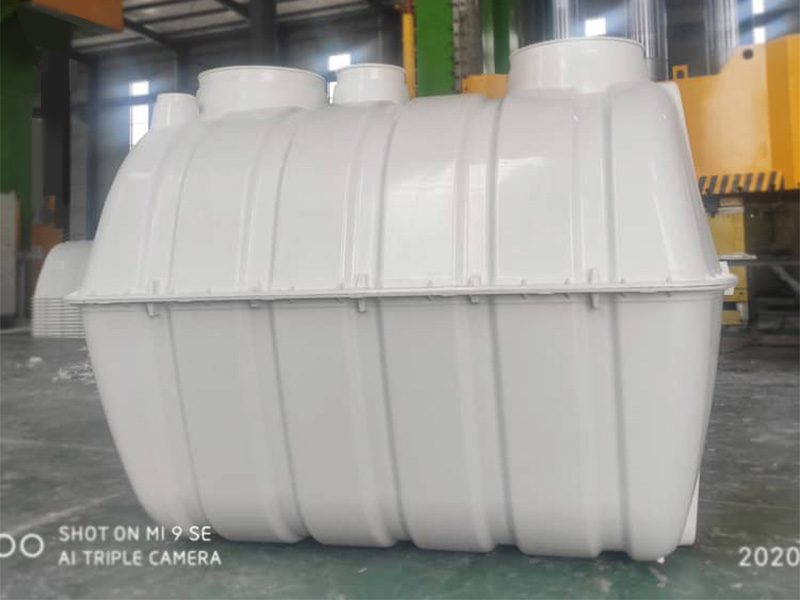
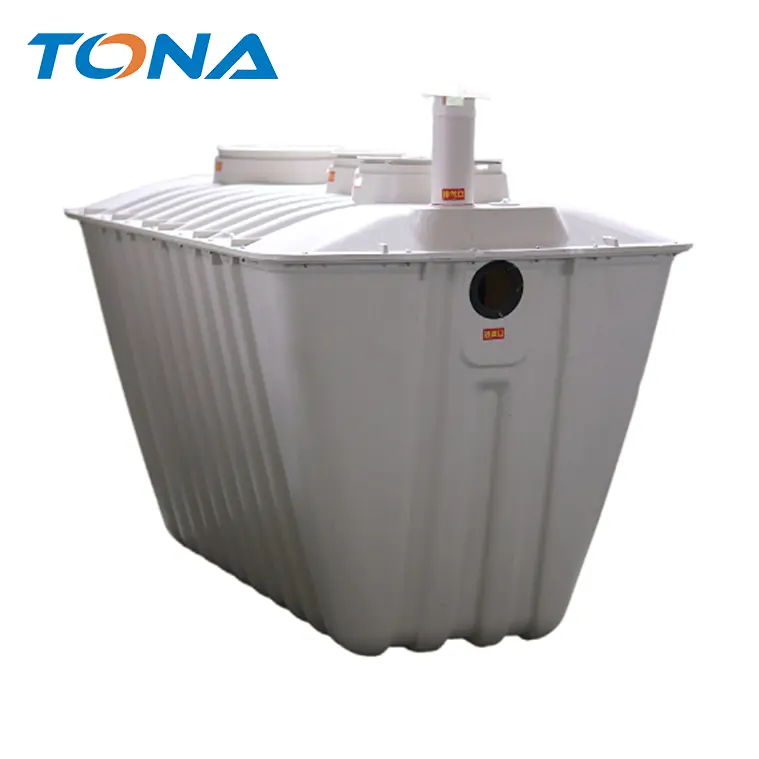
Typically, a large septic tank is divided into three or four compartments; a three-compartment tank is called a three-stage septic tank, and a four-compartment tank is called a four-stage septic tank.
Sewage first flows into the first compartment through the inlet. In the first compartment, heavier solids and parasite eggs settle down. Anaerobic bacteria in the tank begin initial fermentation and decomposition. The sewage treated in the first compartment separates into three layers: a pasty scum, a relatively clear liquid, and solid sludge.
The partially decomposed liquid flows into the second compartment, while the scum floating on top and the sludge settling at the bottom remain in the first compartment for further fermentation. In the second compartment, the liquid continues to ferment and decompose, parasite eggs continue to sink, pathogens gradually die, and the liquid is further rendered harmless. The thickness of the scum and sludge produced is significantly reduced compared to the first compartment.
The liquid flowing into the third compartment is generally fully decomposed, with most bacteria and parasite eggs killed. The third compartment primarily serves to temporarily store the settled and essentially harmless fecal liquid. Finally, the fecal liquid, after further settling, flows into the municipal sewer network through the drain pipe.