Your satisfaction is our relentless pursuit! We warmly welcome you to come and discuss business; we will serve you wholeheartedly.
Your satisfaction is our relentless pursuit! We warmly welcome you to come and discuss business; we will serve you wholeheartedly.
 author
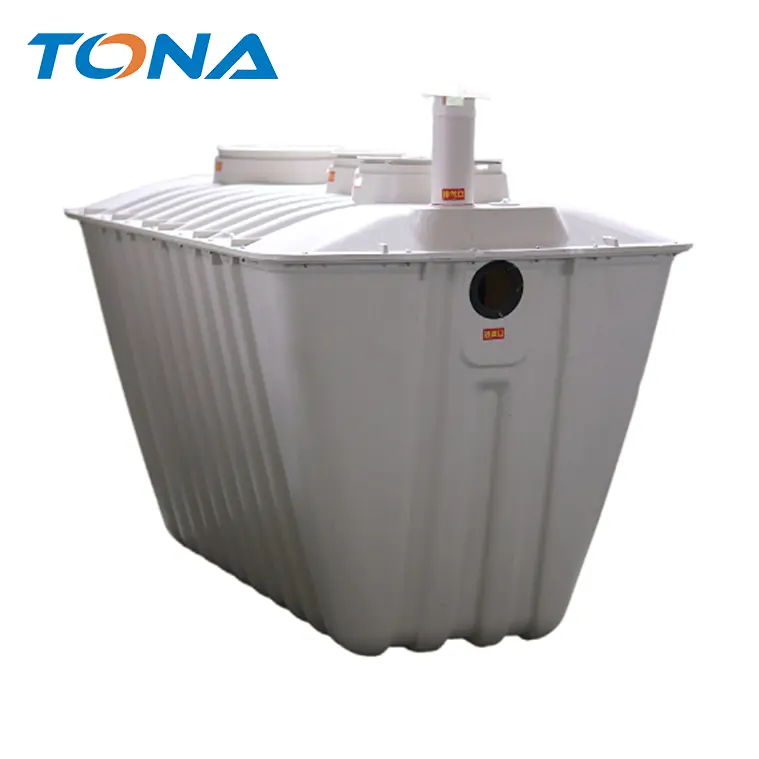
1. The volume of a three-compartment septic tank should be ≥1.5m³. The volume ratio of compartments 1, 2, and 3 should be 2:1:3. If the width of the second compartment is less than 50cm, it can be increased to 50cm. The retention time for feces in the three-compartment septic tank should be: no less than 20 days for the first compartment, no less than 10 days for the second compartment, and the volume of the third compartment depends on the fertilization cycle, generally not less than the sum of the first and second compartments.
2. The depth of the three compartments should be the same and should not be less than 1000mm. The baffles inside the compartments should be securely and sealed to the tank body using grooves or similar methods to ensure no leakage between the compartments.
3. An inlet pipe should be installed between the toilet and the three-compartment septic tank. The inner wall of the inlet pipe should be smooth, with an inner diameter ≥100mm, and it should be short and straight, with an angle greater than 15° to the ground. The lower end of the inlet pipe should protrude approximately 50mm from the wall of the first compartment.
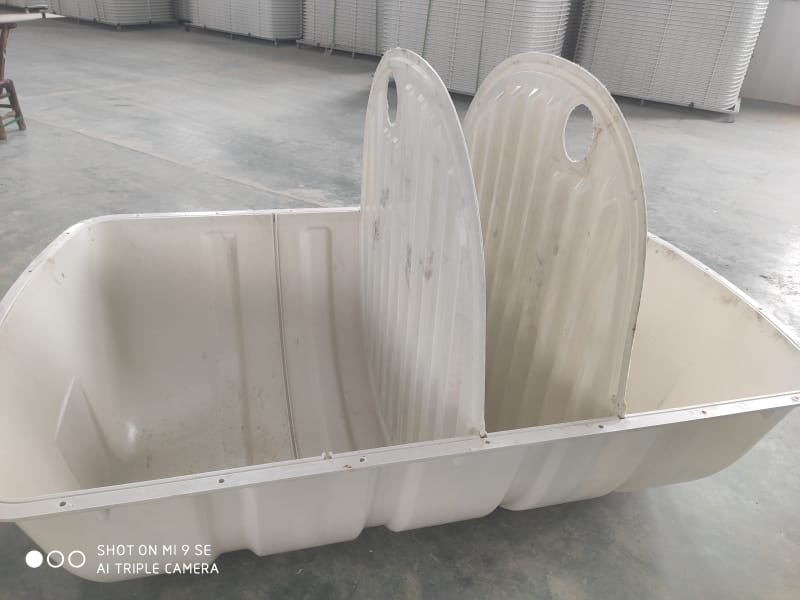
4. The overflow pipe is used to tightly connect the three-compartment septic tank and ensure smooth flow of sewage.
5. The overflow pipe should be made of smooth pipe with an inner diameter ≥ 100mm, and be installed in an I or inverted L shape. The inlet of the overflow pipe connecting the first and second compartments should be at the lower third of the first compartment wall, and the upper edge of the overflow pipe should be less than or equal to 60mm from the top of the compartment. The inlet of the overflow pipe connecting the second and third compartments can be at the lower third or half of the second compartment wall, and the overflow outlet is the same as the overflow pipe connecting the first and second compartments. The overflow pipes connecting the first and second compartments and the overflow pipes connecting the second and third compartments can be installed alternately.
6. The inlet channel is the passage connecting the toilet outlet to the septic tank. It can be directly constructed with cement bricks or connected with a 100mm inner diameter PVC plastic pipe. If the septic tank is outdoors, the toilet bowl is connected to the inlet pipe. The toilet bowl should be properly sealed. If the first chamber is indoors and a straight-through toilet is used, a 45-degree plastic elbow or trap should be installed to prevent sewage splashing and reduce odor from escaping from the first chamber. A suitable slope must be maintained during construction and installation to facilitate sewage flow. The inlet and outlet pipes should be staggered and kept at a certain distance.
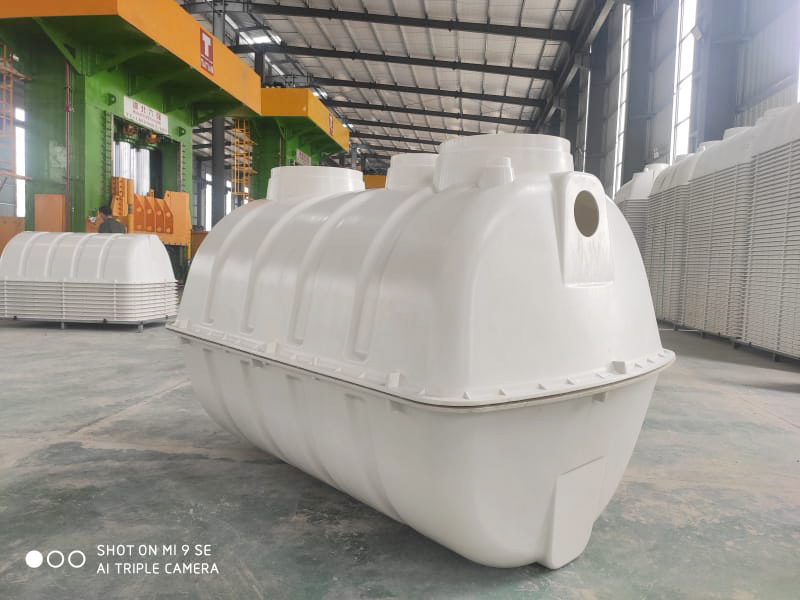
7. The cover of the three-compartment septic tank must have maintenance openings for the first, second, and third compartments, and these openings should be sealed. The first compartment should have an inlet for waste disposal along its upper edge and a sludge removal opening on the top of its cover. The second compartment should have a sludge removal opening on the top of its cover, and the third compartment should have an outlet for waste disposal. The cover should be made of anti-aging materials such as fiberglass reinforced composite material or cast iron, and should have a locking device.
8. An exhaust pipe should be installed in the first compartment. The pipe should be circular with an inner diameter ≥75mm and extend 500mm above the toilet roof, or fitted with a rainproof (fly-proof, windproof) cap.
9. Arrangement of the three-compartment septic tanks: Rectangular septic tanks are commonly used because they extend the sedimentation time of waste, which is beneficial for harmless treatment. Other arrangements include triangular, square, and circular designs.