9 , February
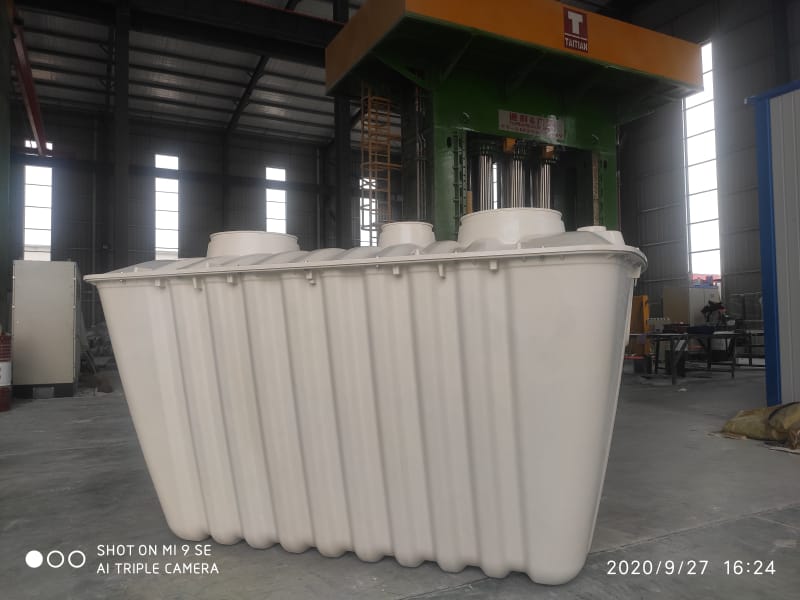
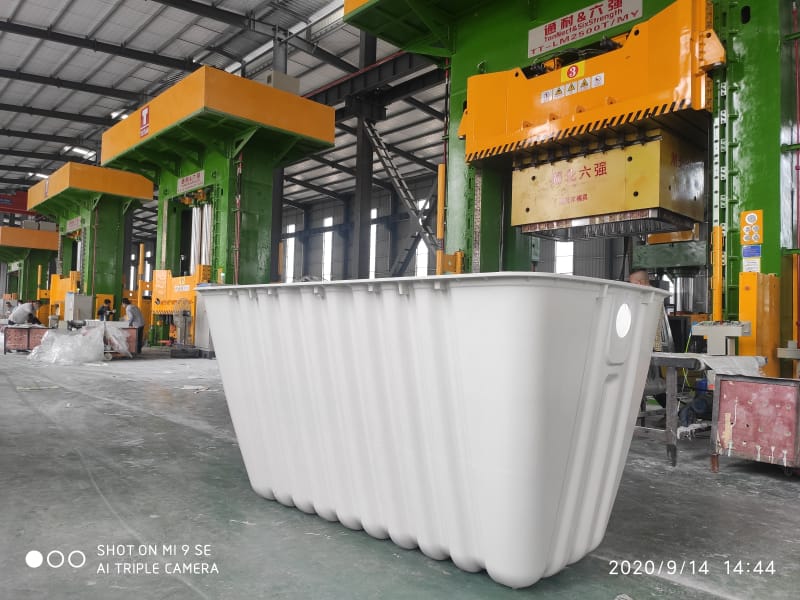
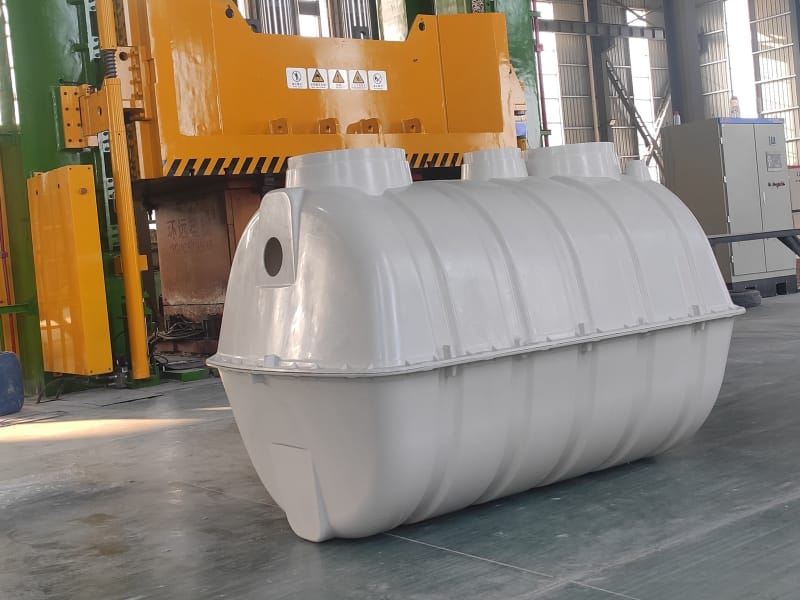
Fiberglass septic tanks are gradually being accepted by builders in China, thanks in no small part to the support of relevant departments. The original mission of fiberglass septic tanks was to protect groundwater resources and benefit future generations. This great mission stems from the fact that fiberglass resin materials are resistant to acids and alkalis and have a lifespan of 50 years when buried underground. Therefore, provided that the quality is guaranteed, the lifespan of fiberglass septic tanks is undoubtedly 50 years (except for those whose thickness and strength do not meet the requirements).
Traditional brick and reinforced concrete septic tanks have a lifespan of at most 10 years, while fiberglass septic tanks have unparalleled advantages over traditional ones. Below is a comparison between fiberglass and traditional septic tanks:
Leak-proof, the tank body is formed using acid and alkali resistant materials such as fiberglass and organic resin, ensuring good sealing and preventing breakage or damage caused by foundation settlement and the formation of a crusty scum layer inside the tank. It effectively solves the problem of groundwater pollution caused by brick-built septic tanks, ensuring the reliable operation of the septic tank and its anaerobic digestion function.
It has high compressive strength, a reasonable product structure design, and uniform pressure distribution.
It occupies a small area, with a usable area of about 45% of that of a traditional septic tank, saving land resources and offering flexible site selection.
It is easy to install and can be freely combined and installed according to site requirements. It can be put into use 2 hours after installation.
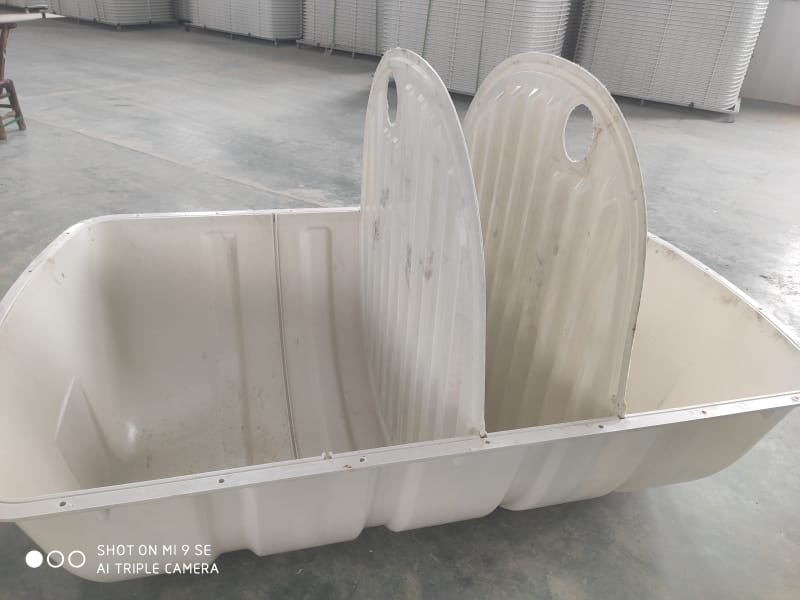
With excellent treatment effect, the staggered design of the baffles changes the original direct-flow overflow to a circulating overflow, ensuring smooth substrate transfer. The application of the anaerobic biological filter (AF) packing system retains more biomass, and the sewage treatment capacity is twice that of a traditional septic tank of the same volume.
It has a long service life, is resistant to moisture and oxidation, does not deform at high or low temperatures, and is not afraid of acids and alkalis; it can be used for up to 50 years under normal conditions.
With low economic indicators, it is a product that urban construction departments are strongly promoting; it can be installed with multiple angle interfaces according to sewage discharge needs; and its final price is 10-20% lower than that of traditional reinforced concrete septic tanks.