Your satisfaction is our relentless pursuit! We warmly welcome you to come and discuss business; we will serve you wholeheartedly.
Your satisfaction is our relentless pursuit! We warmly welcome you to come and discuss business; we will serve you wholeheartedly.
 author
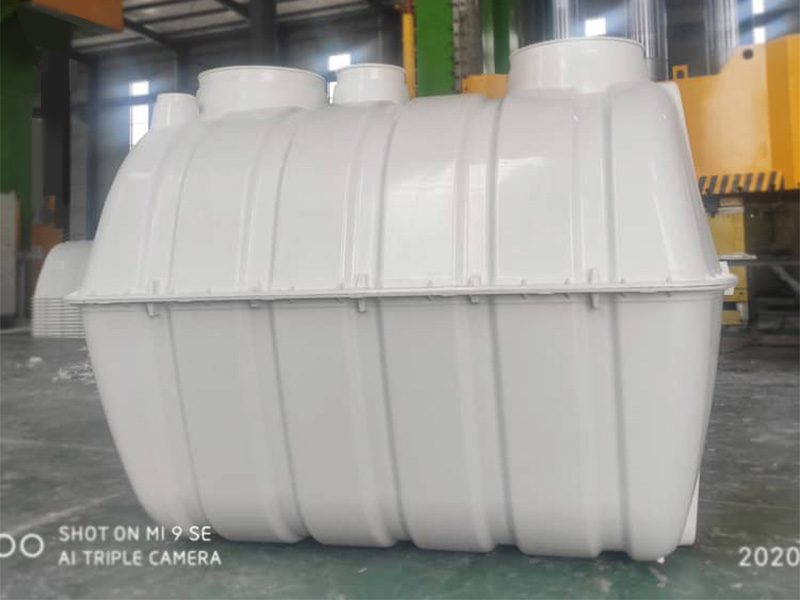
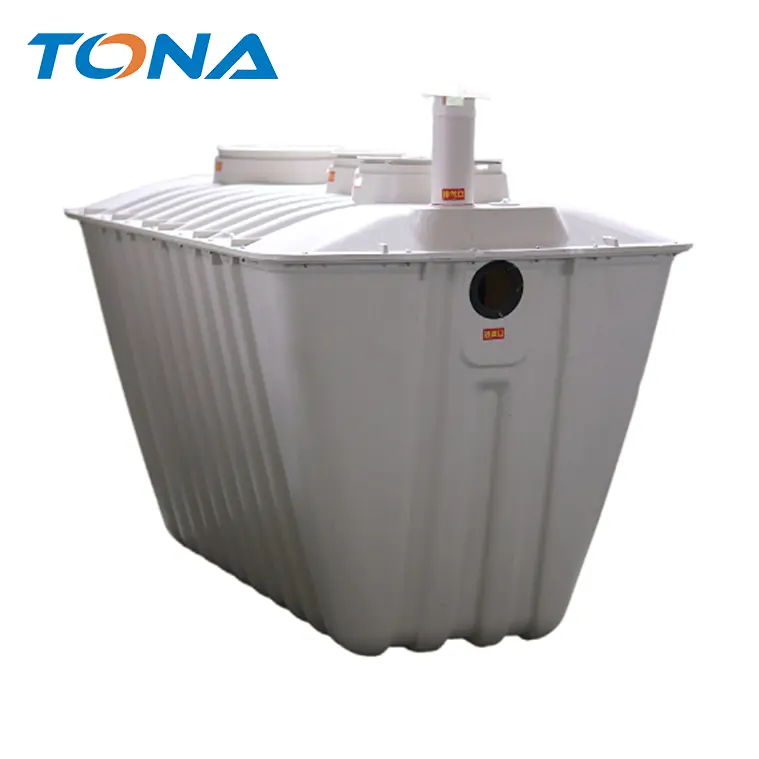
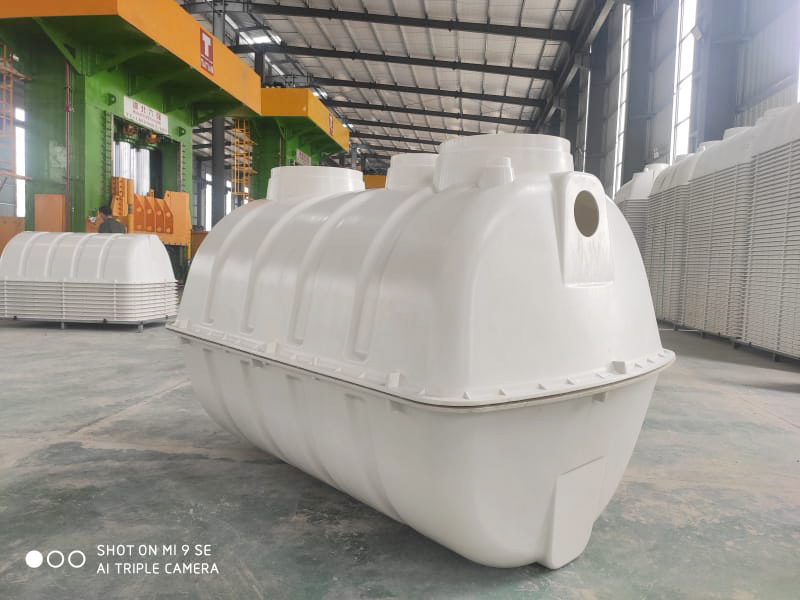
Three-compartment fiberglass septic tanks can perform anaerobic fermentation and filter domestic sewage, making them suitable for the renovation of dry toilets in rural areas. It seems that three-compartment fiberglass septic tanks are widely used in the process of new rural construction.
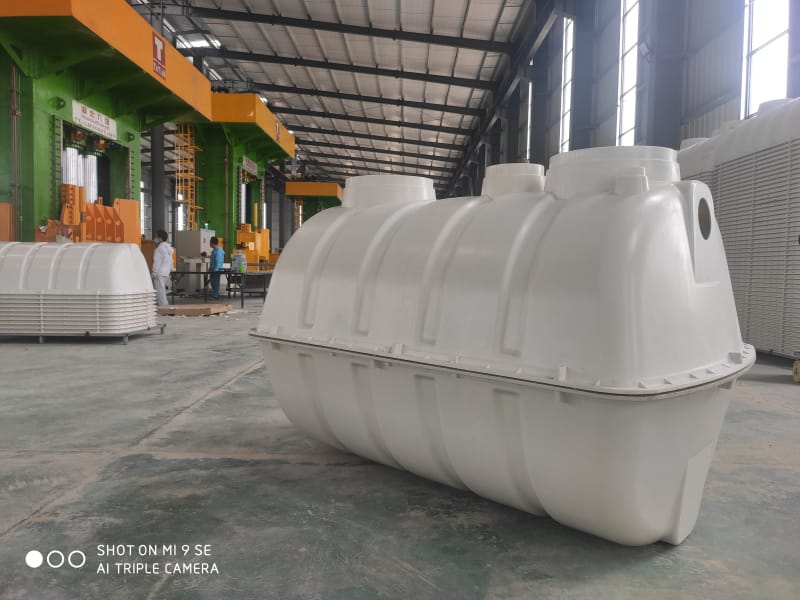
The basic principle of double-vault and three-compartment (modified three-compartment) septic tanks is to utilize the fact that parasite eggs have a higher specific gravity than the fecal-urine mixture, causing sedimentation, and employing principles such as anaerobic fermentation, liquefaction, ammoniation, and biological antagonism to remove and kill parasite eggs and pathogens, controlling mosquito and fly breeding. Three-compartment septic tanks utilize a three-compartment sewage treatment system, typically used in conjunction with flush toilets, and consist of an inlet pipe, compartments, a connecting pipe, and a cover. During use, they offer excellent leak-proof and rainwater-proof performance, with relatively good sealing. The inlet cover is appropriately sized, and there are no discomforts during use. They are of high quality and not easily damaged. Three-compartment septic tanks, to a certain extent, maintain a relatively calm sewage environment, reducing water pressure and preventing the dispersal of floating fecal scum, as well as preventing the uplift of sediment and parasite eggs from the bottom. They also prevent air surges that could cause blockages during sewage intake, thus reducing subsequent maintenance costs.
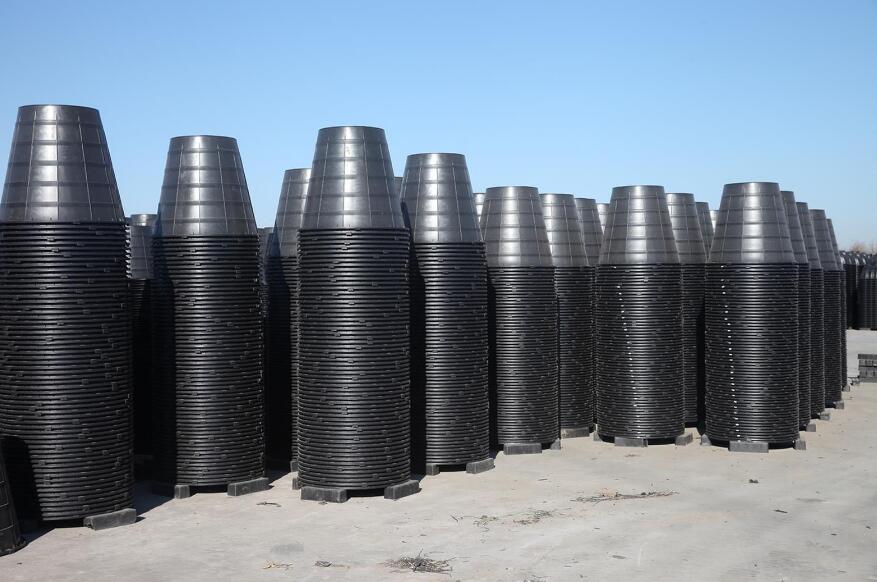
A three-compartment septic tank is better. The structure and function of the third compartment in a three-compartment septic tank: The sewage flowing into the third compartment is generally already well-rotted, and pathogens and insect eggs have been largely killed and removed, making it suitable for fertilization. The primary function of the third compartment is sewage storage. The volume of the third compartment is mainly determined by the frequency and amount of fertilization each time. If the sewage from the third compartment is not used as fertilizer but is directly discharged for shallow soil filtration purification, the volume of the third compartment can be appropriately reduced. Furthermore, the third compartment can continue to function as the second compartment.