Your satisfaction is our relentless pursuit! We warmly welcome you to come and discuss business; we will serve you wholeheartedly.

FRP (fiberglass reinforced plastic)
9 , February

What is the difference between FRP and KFRP for the center reinforcement of optical fiber cables and drop cables?

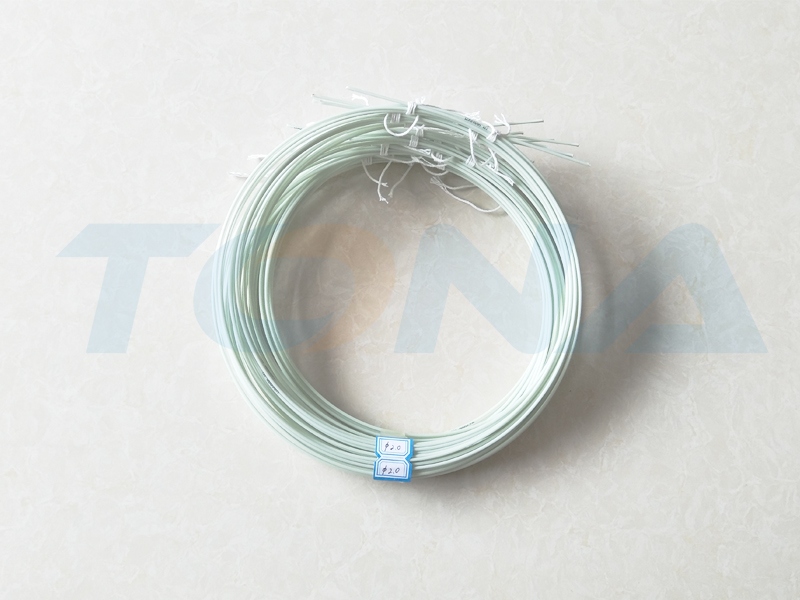
The differences between FRP and KFRP are as follows: FRP, Fiber Reinforced Polymer, is an abbreviation for Fiber Reinforced Polymer. Outdoor optical cables commonly use FRP as the central reinforcement. With the increasing use of drop cables, in addition to FRP, KFRP is also used as the central reinforcement.   FRP (fiberglass reinforced plastic) has the following characteristics: (1) Lightweight and High Strength Its relative density is between 1.5 and 2.0, only 1/4 to 1/5 that of carbon steel, yet its tensile strength is close to, or even exceeds, that of carbon steel, and its specific strength is comparable to that of high-grade alloy steel. Therefore, it is effective in applications such as aviation, rockets, spacecraft, high-pressure vessels, and other products requiring weight reduction. Some epoxy FRPs can achieve tensile, flexural, and compressive strengths of up to 400 MPa.   (2) Good Performance FRP is a good corrosion-resistant material, exhibiting good resistance to atmosphere, water, and common concentrations of acids, alkalis, salts, and various oils and solvents. It has been applied to various aspects of chemical corrosion protection and is replacing carbon steel, stainless steel, wood, and non-ferrous metals.   (3) Good Electrical Properties It is an excellent insulating material used to manufacture insulators. It maintains good dielectric properties even at high frequencies. It has good microwave permeability and has been used in radar radomes, etc. KFRP (Polyester Aramid Fiber) Aramid fiber reinforced optical cable core (KFRP) is a new type of high-performance non-metallic optical cable reinforcing core used in access networks.   Lightweight and High-Strength Aramid fiber reinforced optical cable cores have low density and high strength; their specific strength and specific modulus far exceed those of steel wire and glass fiber reinforced optical cable cores.   Low Expansion Aramid fiber reinforced optical cable cores have a lower coefficient of linear expansion than steel wire and glass fiber reinforced optical cable cores over a wide temperature range.   Impact and Fracture Resistance Aramid fiber reinforced optical cable cores possess tensile strength (≥1700MPa) and are impact-resistant and fracture-resistant; even after breakage, they retain a tensile strength of approximately 1300MPa.   Good Flexibility Aramid fiber reinforced optical cable cores are lightweight and flexible, easily bent, with a minimum bending diameter of 24 times the cable diameter. This results in a compact, aesthetically pleasing indoor optical cable structure with excellent bending performance, making it particularly suitable for cabling in complex indoor environments.

FRP (fiberglass reinforced plastic)
9 , February

What is the function of the two steel wires in an optical fiber?

This is called a reinforcing core. Because optical fibers are thin glass fibers, they are fragile and have low strength. The strength of these glass fibers alone cannot support the tensile strength of the cable. Therefore, steel wires are added to form a reinforcing core to increase strength and prevent the optical cable from breaking. Non-conductive materials (such as FRP fiberglass) can also be used.
rural septic tanks4
9 , February

Where should rural households build their septic tanks?

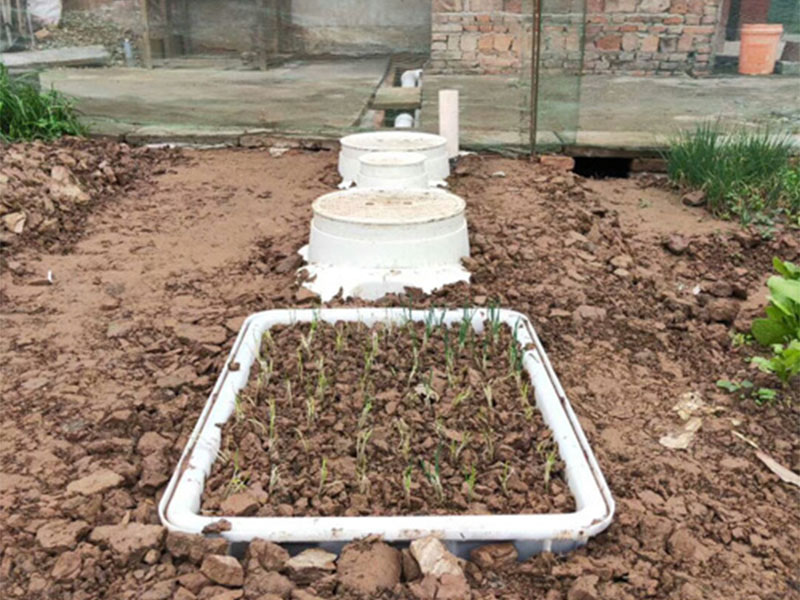
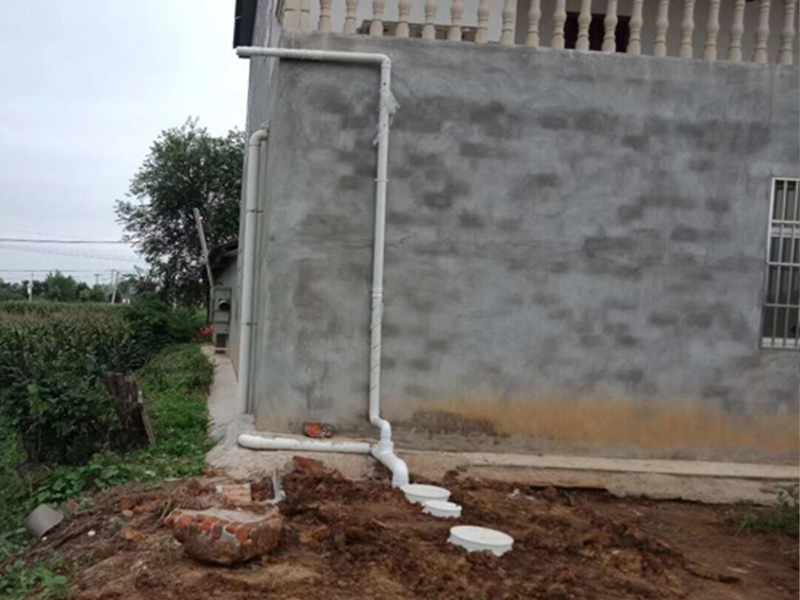
The distance between septic tanks and buildings should be such that it does not affect the foundations of existing buildings and ensures the protection of the buildings. The straight-line distance between septic tanks and underground water intake structures shall not be less than 30 meters.
rural septic tanks1
9 , February

How much does a septic tank cost for rural households?

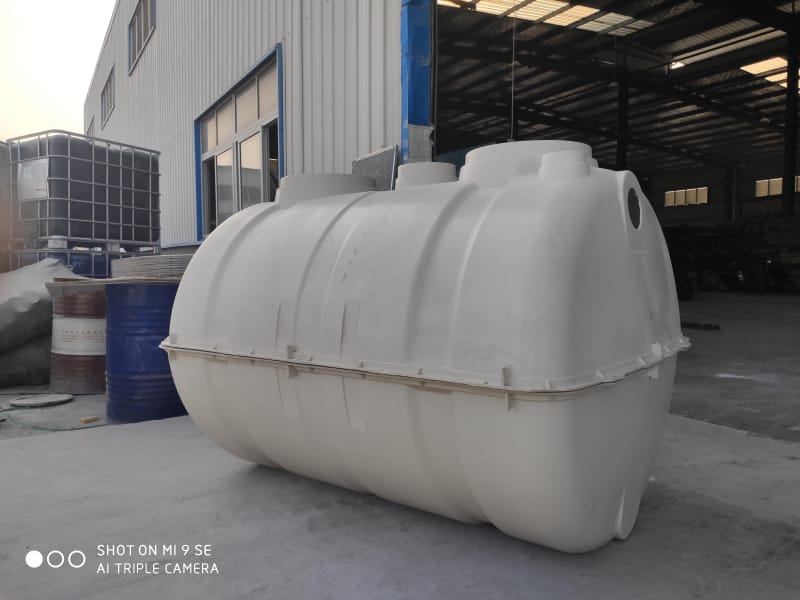
Rural household septic tanks come in various sizes, ranging from 0.5 to 2.5 meters. However, 1.5 meters is the most common, suitable for 4-5 people, and costs around 400 yuan. For smaller households, a 1-meter tank (for 1-3 people) is recommended, costing around 300 yuan. For households with more than 6 people, a 2-meter tank is sufficient, costing around 500 yuan. Note: Prices are for reference only and are subject to change based on raw material costs.
rural septic tanks
9 , February

What are the standards for the renovation of septic tanks in rural areas?

To improve farmers’ production and living standards and safeguard public health, rural toilet renovation projects are underway. The following are the construction and management requirements for three-compartment septic tank toilets to help farmers understand the renovation process and ensure its smooth implementation.   I. Basic Principles of Toilet Construction Toilet design should adhere to a people-oriented approach, following the principles of hygiene, practicality, convenience, and odor control. II. General Requirements for Toilet Site Selection 1. Toilets should be located as close as possible to living quarters, ensuring convenience and ease of management. 2.  Toilets should ideally be built downwind of living quarters or kitchens. 3.  Sanitary toilets should be located as far away as possible from wells or other underground water pipe networks. 4. Toilet structures can utilize existing walls such as houses or fences to reduce construction costs. 5.  The underground portion of the toilet should be built outside the house or fence to facilitate maintenance and waste removal. 6. Toilet construction should comply with village development plans and should not be built along roadsides.
Products
Contacts
WhatsApp
Email
// //