







9/ February
What are the considerations behind the concept of effective volume of a septic tank?
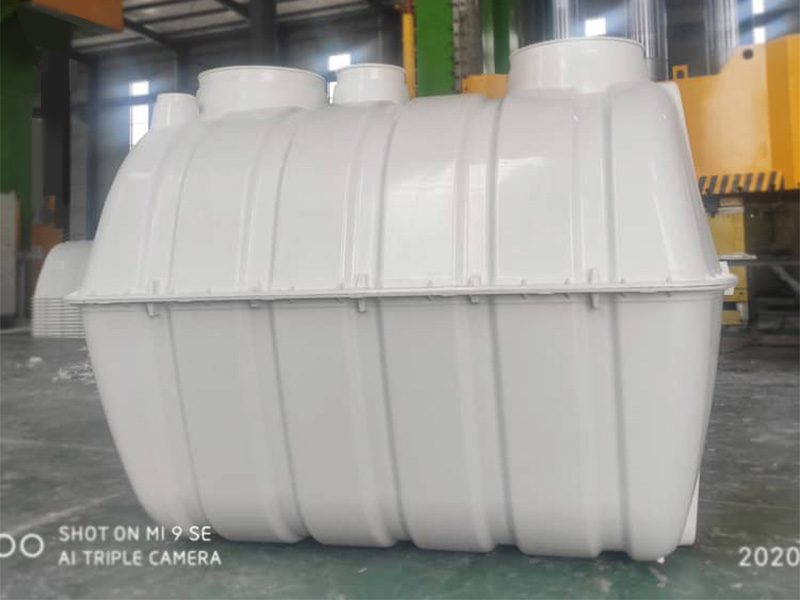
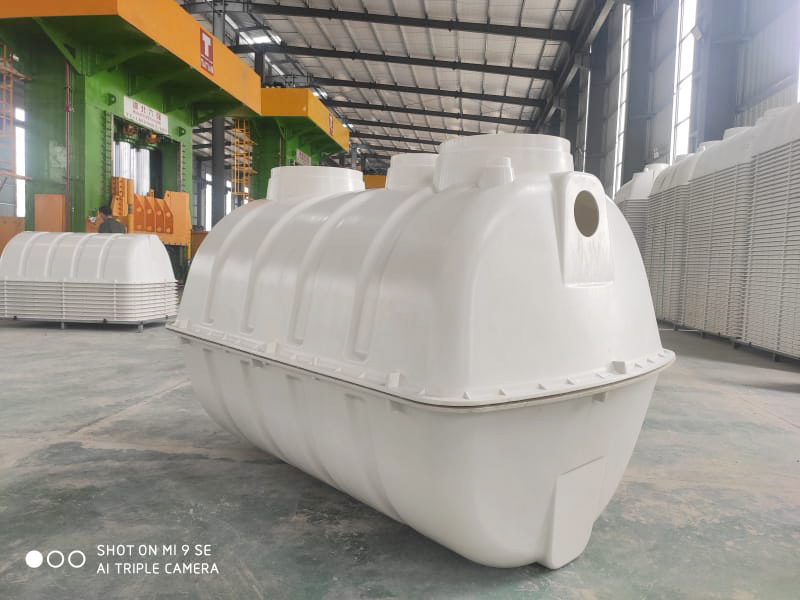
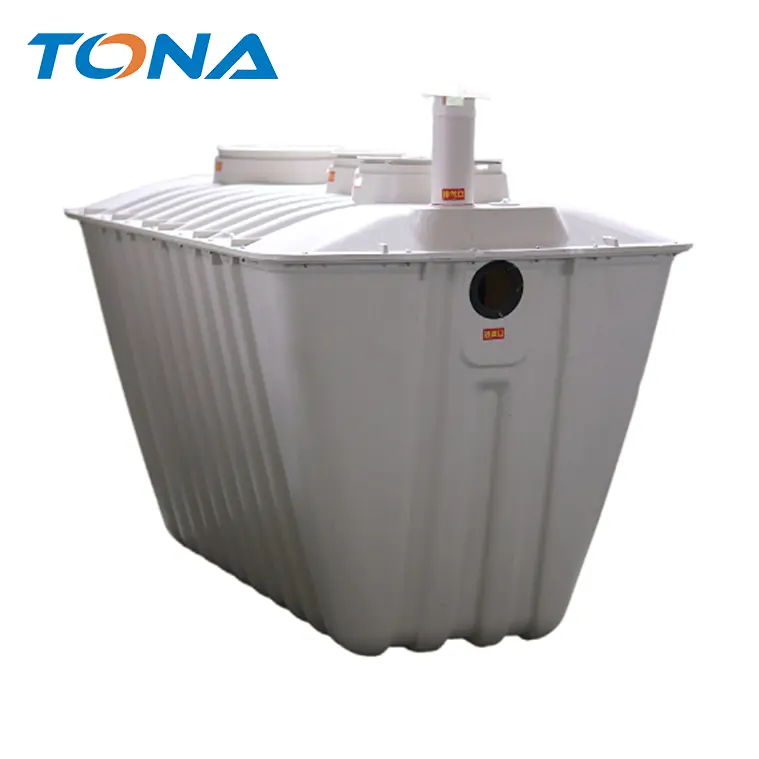
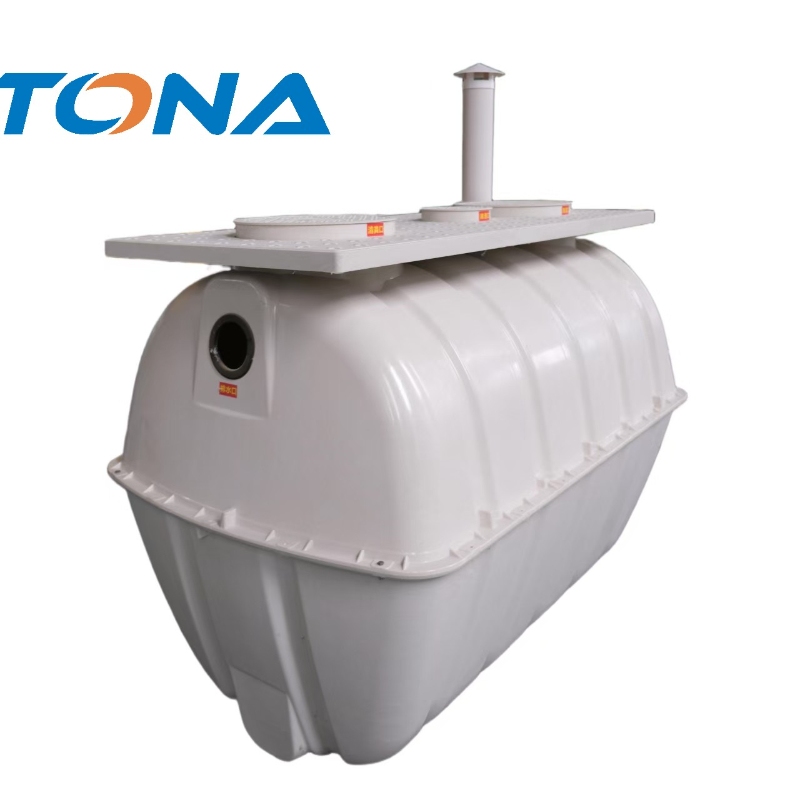
In fact, volume is not a new concept. We consulted relevant materials and found that as early as the beginning of this century, the “Guidelines for Rural Environmental Sanitation Work” and the “Guidelines for Rural Sanitary Toilets in China” used the term “volume” when explaining the design principles and related parameters of three-compartment septic tank toilets. This is because for a three-compartment septic tank, only the lower edge of the overflow pipe is the actual storage space for feces and sewage; the part of the overflow pipe is an empty cavity that does not store feces and sewage. In this regard, the “Rural Household Toilet Hygiene Standards” stipulates that the volume of a three-compartment septic tank should be ≥1.5m³, referring to the storage space. The “Plastic Septic Tank” standard explicitly uses the term “volume.” In 2019, the “Requirements for Rural Household Toilet Construction (Trial Implementation)” jointly issued by the Ministry of Health and the Ministry of Agriculture and Rural Affairs reiterated the importance of volume in the three-compartment household toilet structure.
Based on current understanding, some regions do not fully grasp this concept. Using the total volume of the septic tank instead of the actual volume would result in insufficient space for the harmless treatment of sewage, failing to achieve the desired treatment effect within the stipulated retention time. Therefore, this newly released standard explicitly uses volume as a metric, helping to ensure that sewage achieves the desired harmless treatment effect. Furthermore, the standard also provides reference values for septic tank volume based on household size: ≥1.5m³ for households with 3 or fewer people; ≥2m³ for households with 4-6 people; and ≥2.5m³ for households with 7-9 people, facilitating selection by different regions.
Learn More