Your satisfaction is our relentless pursuit! We warmly welcome you to come and discuss business; we will serve you wholeheartedly.

Grease trap (7)
Grease trap (2)
Grease trap (3)
Grease trap (4)
Grease trap (1)
Grease trap (5)
Grease trap (6)
Grease trap (7)
Grease trap (2)
Grease trap (3)
Grease trap (4)
Grease trap (1)
Grease trap (5)
Grease trap (6)

Grease trap

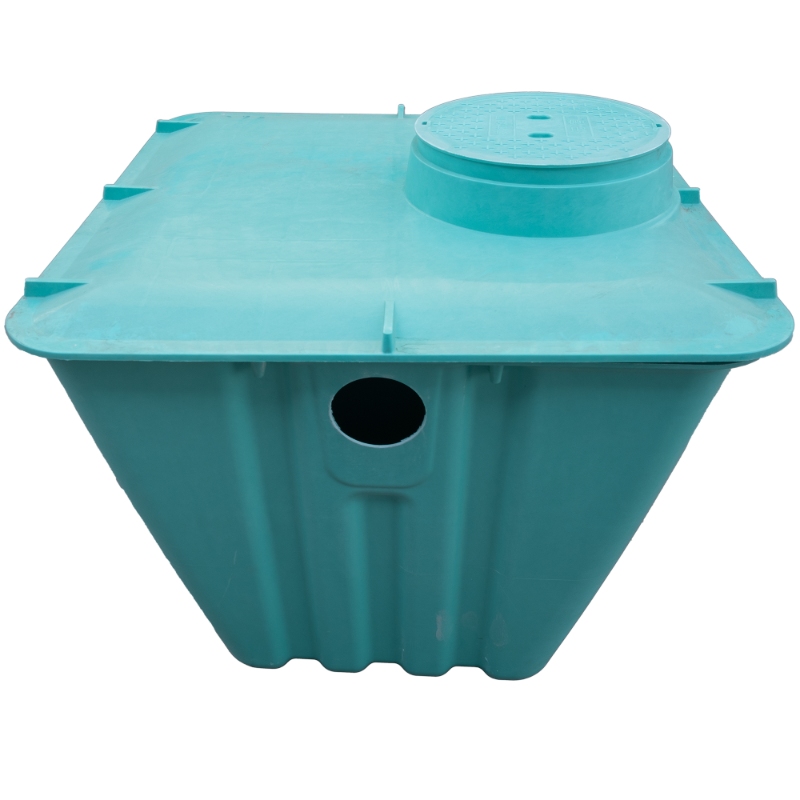
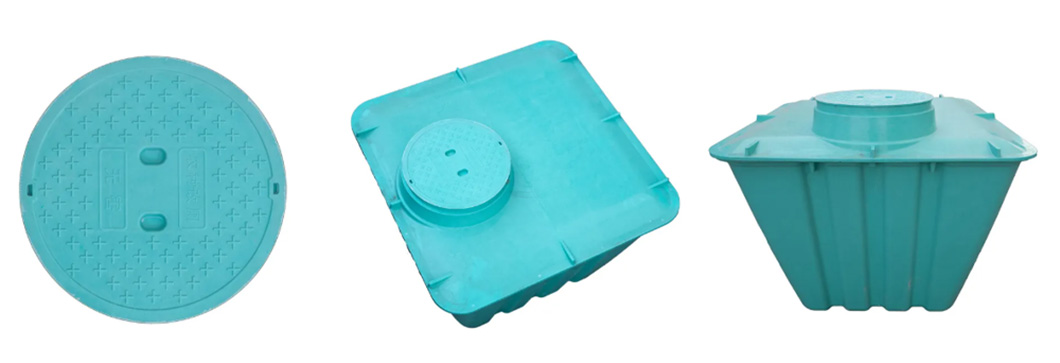
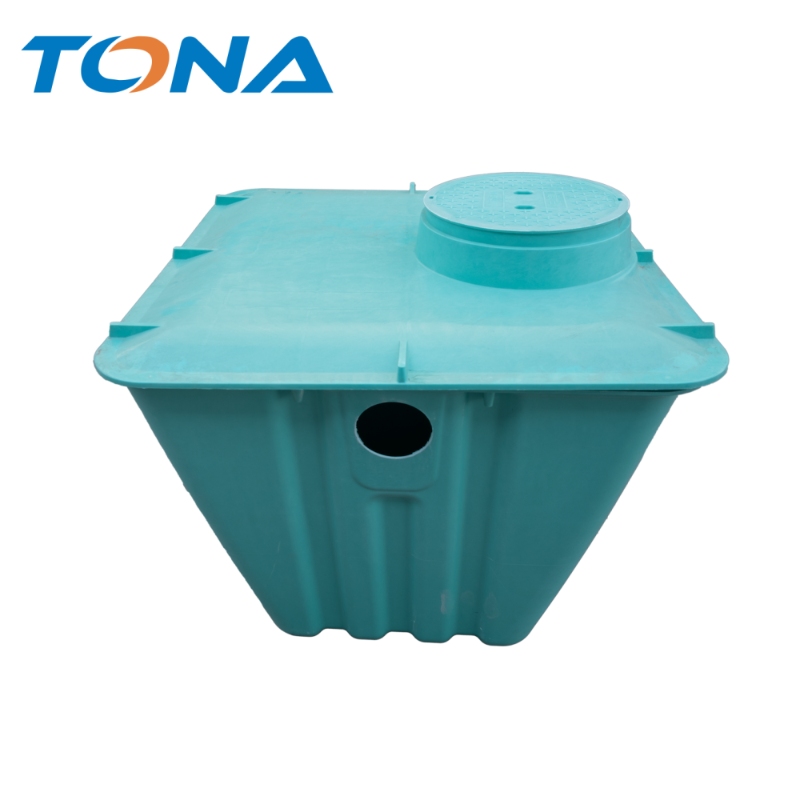
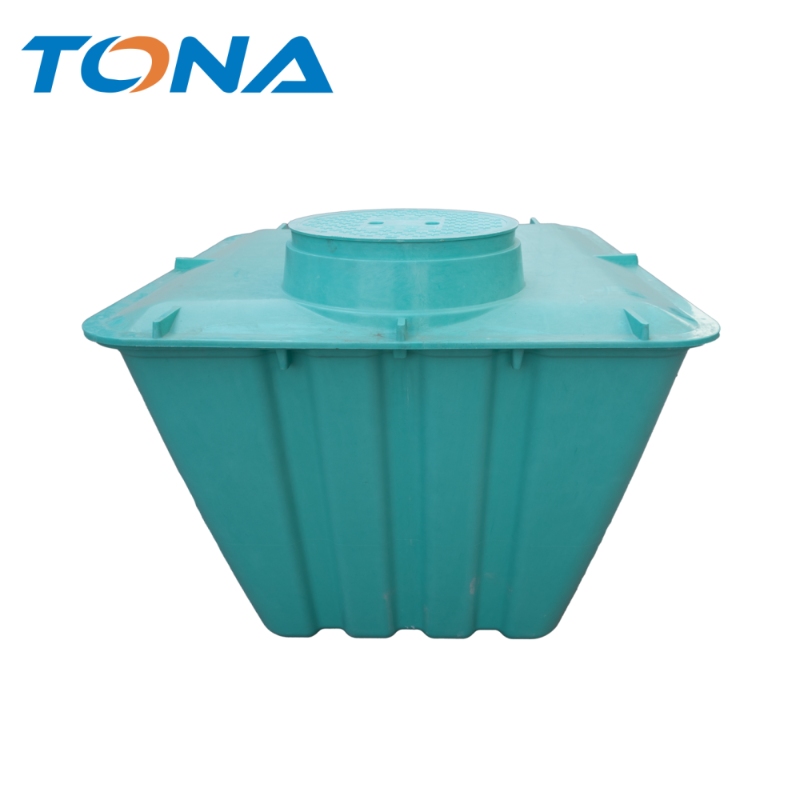
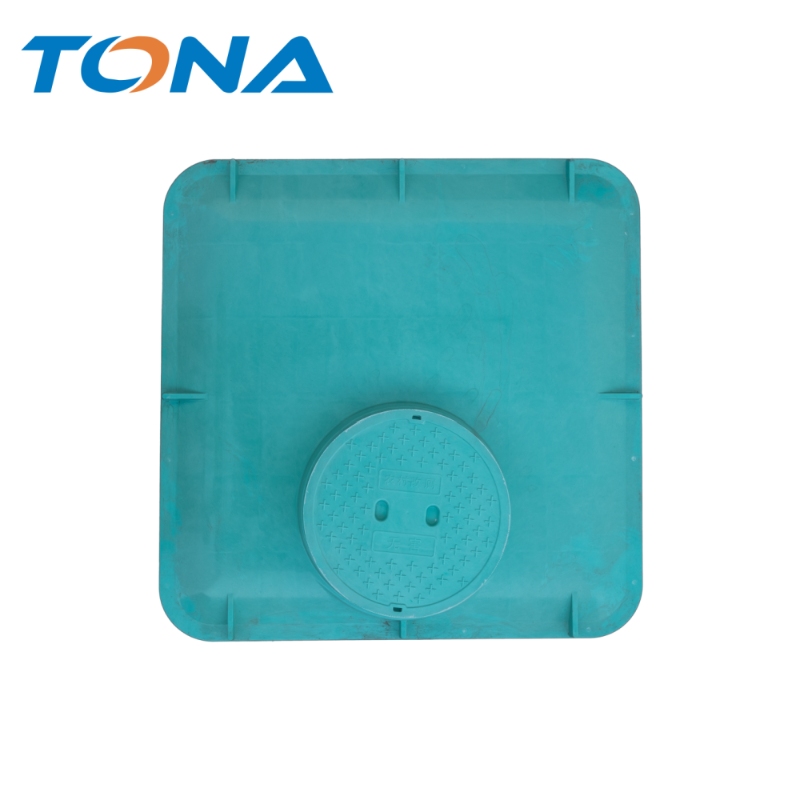
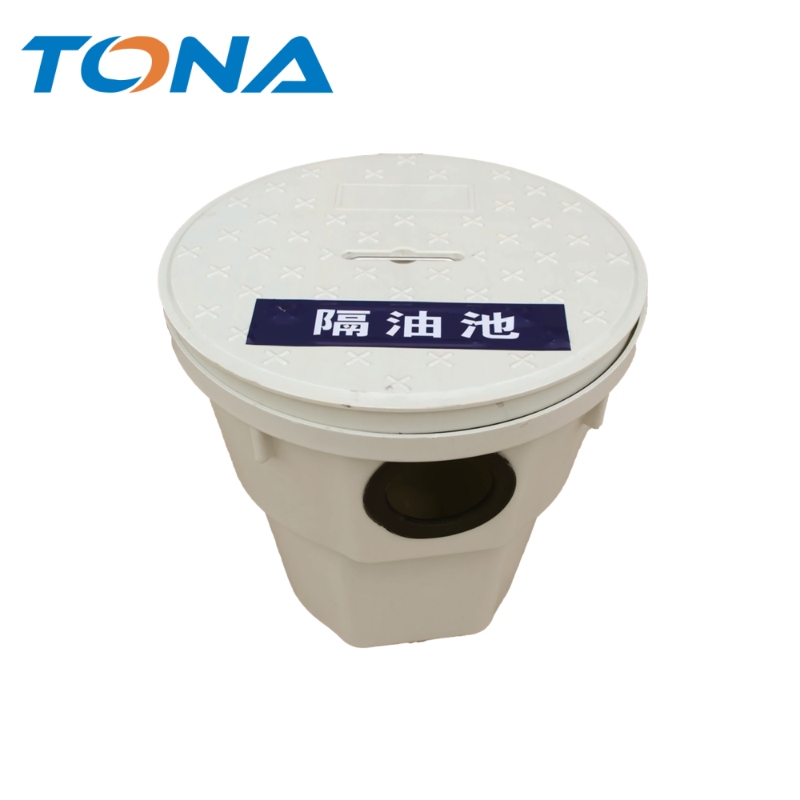
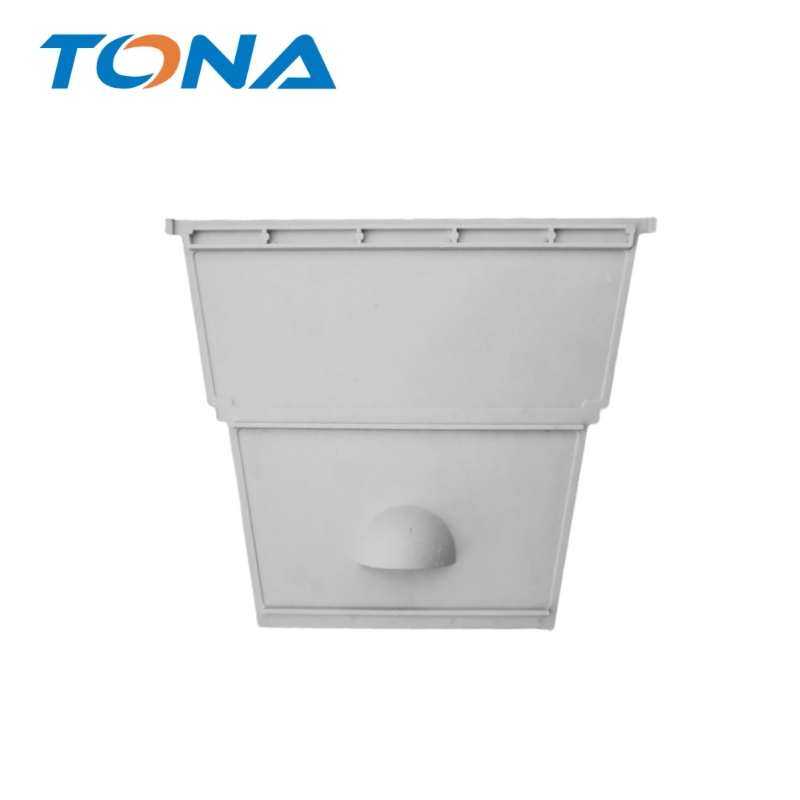
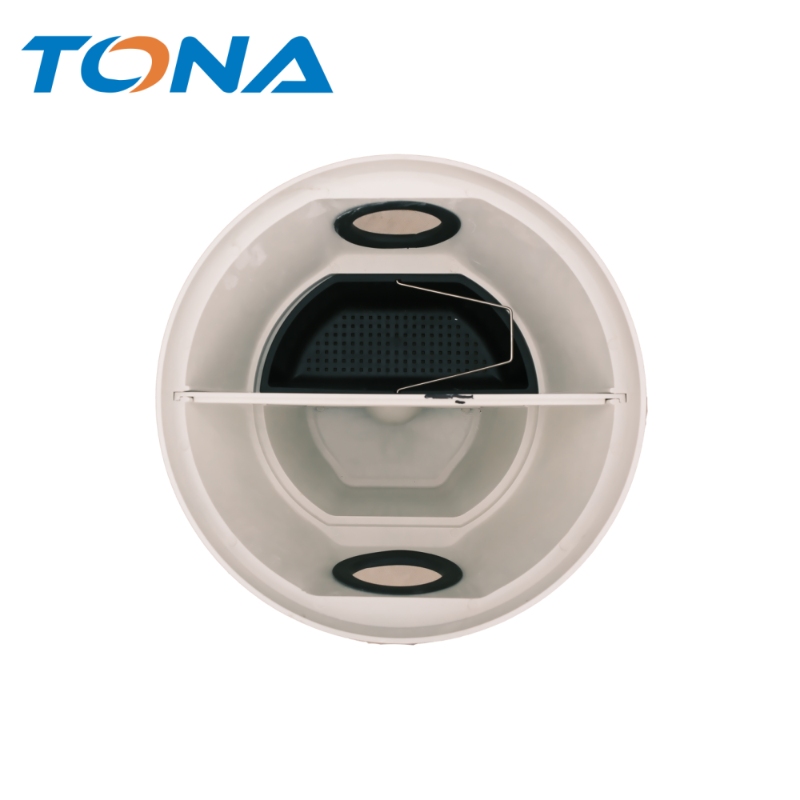
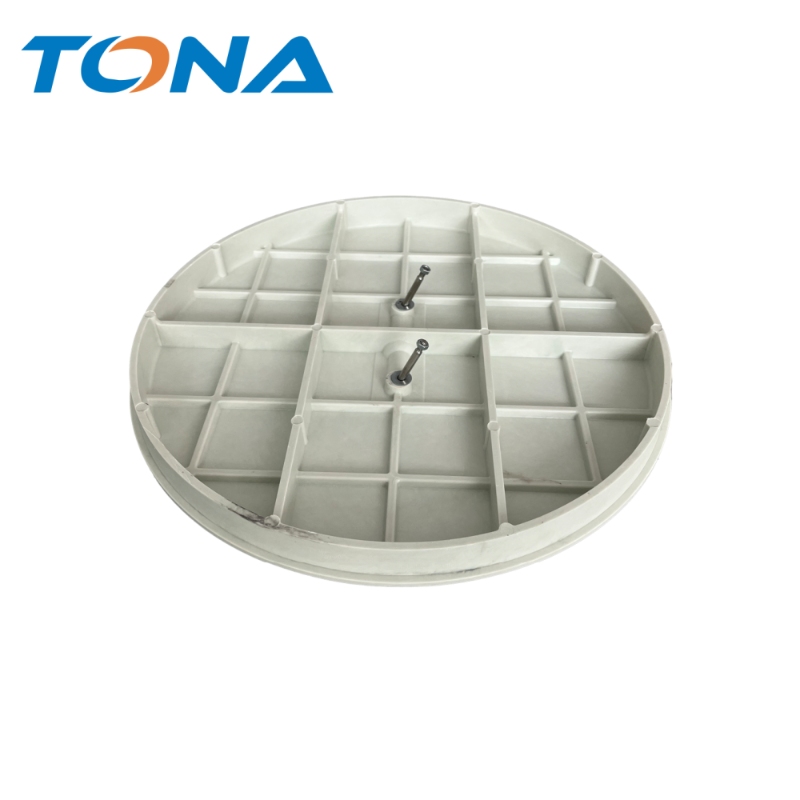
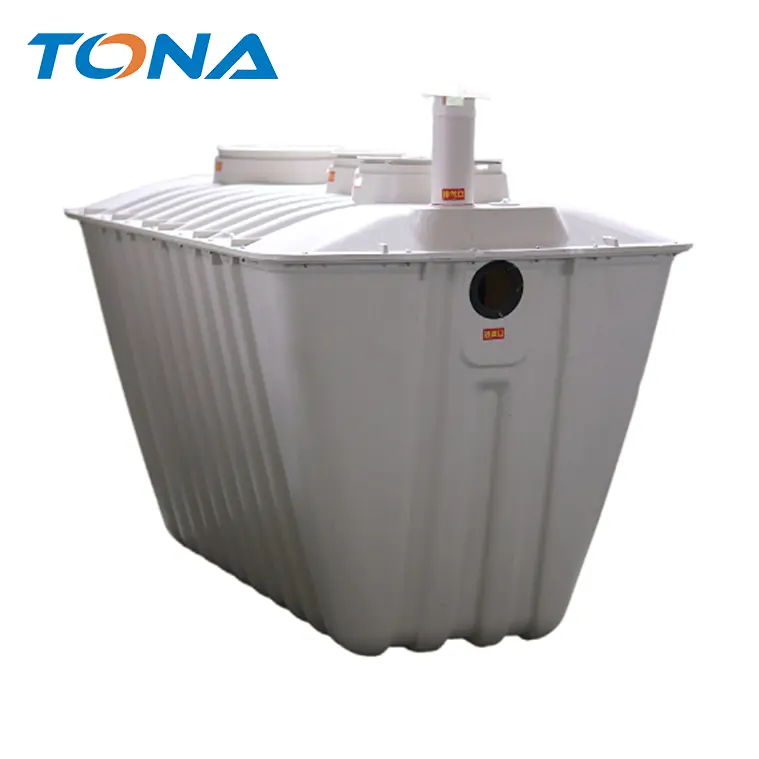
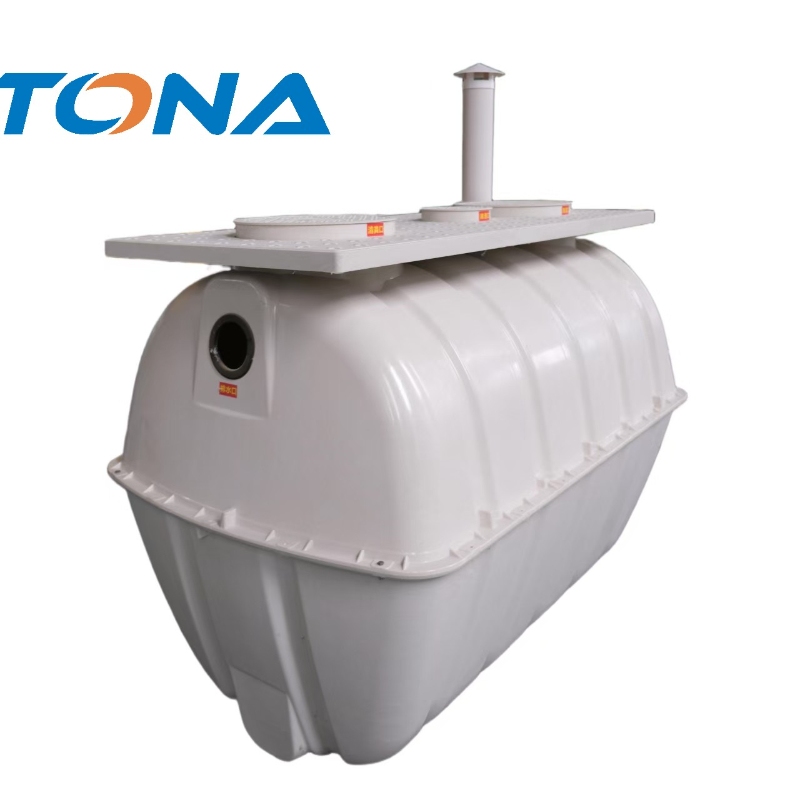
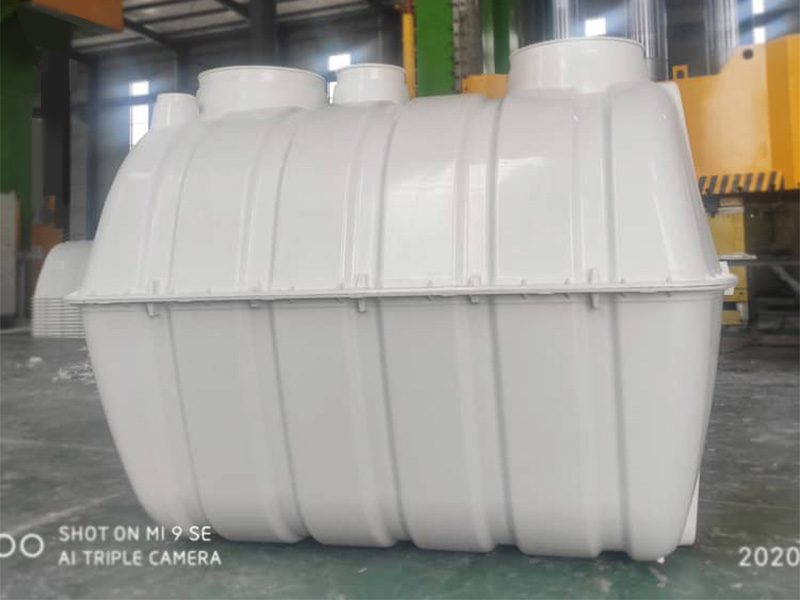
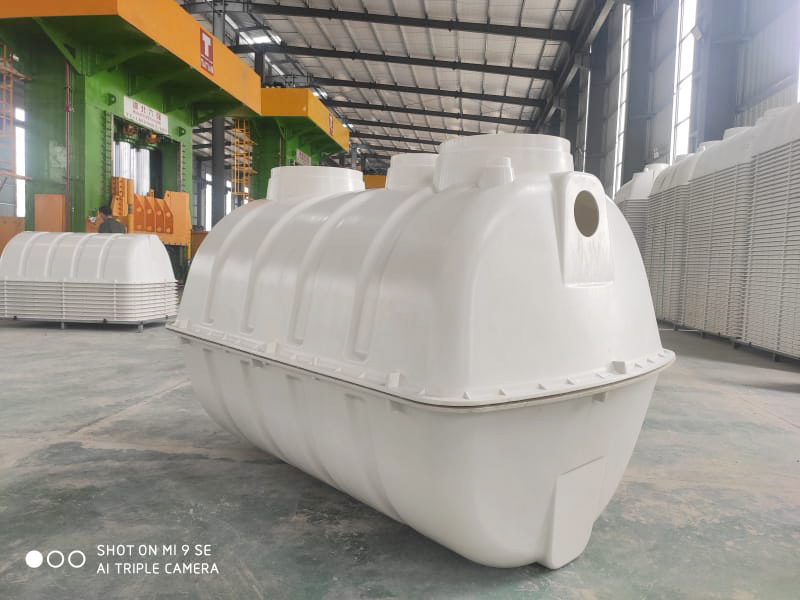
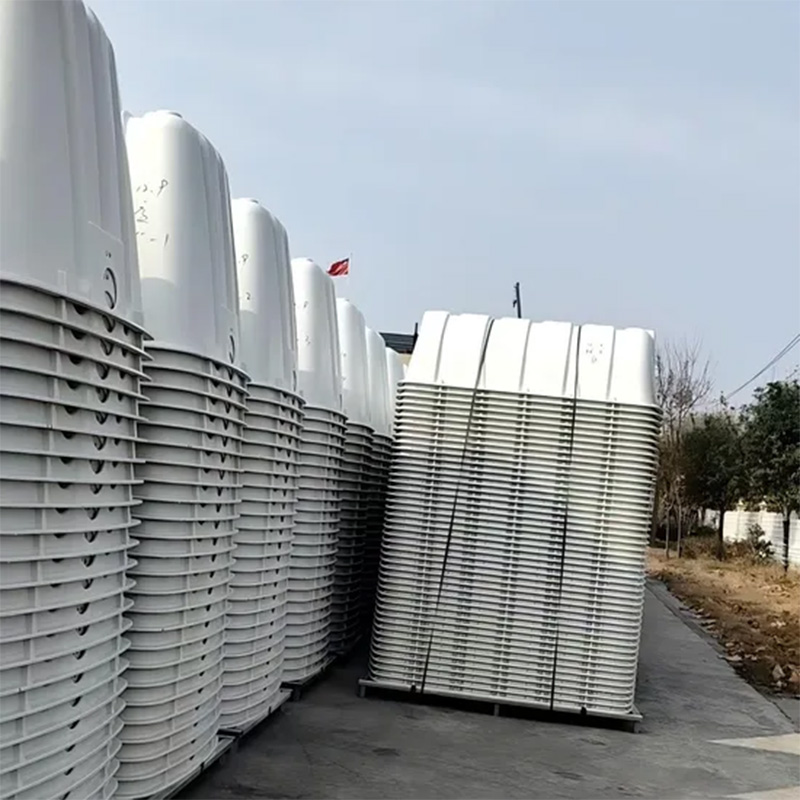
The SMC Oil Separation Tank is a high-performance, single-piece molded solution designed for efficient oil-water separation in demanding environments. Constructed from high-strength composite materials (SMC), it overcomes the limitations of traditional concrete or stainless steel tanks, offering superior durability, corrosion resistance, and ease of installation. Ideal for industries handling grease, wastewater, or chemicals, this tank ensures long-term reliability with minimal maintenance.
  • Customization: Available
  • Surface Treatment: Smooth
  • Color: Customized

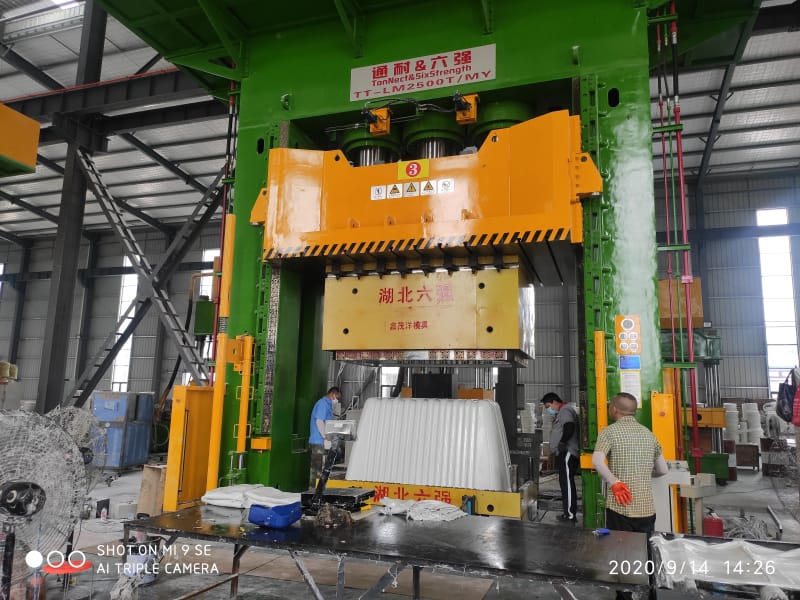
In industries such as catering, food processing, and hotels, traditional concrete or stainless steel grease traps are prone to corrosion, leakage, and high maintenance costs, making them unsuitable for long-term use. SMC grease traps, made of high-strength composite materials in a single molding process, offer superior corrosion resistance and structural stability, making them the ideal choice for modern oil-water separation equipment!


  1. Superior Corrosion Resistance and Long Service Life:

Acid and Alkali Resistance, Oil Resistance: SMC material has extremely strong resistance to grease, detergents, and acidic wastewater, and will not rust or corrode like metal materials, ensuring long-term leak-free operation.

UV Aging Resistance: No additional protection is required for outdoor installation, adapting to various harsh environments.


  1. One-Piece Molding, Excellent Sealing:

Seamless, Zero Leakage: The molding process ensures a tight overall structure, eliminating the leakage risks of traditional assembled grease traps.

Odor Prevention: Strong sealing effectively blocks sewage odors, maintaining a clean environment.


  1. Lightweight Design, Easy Installation:

Weighing only 1/3 of concrete structures, transportation and hoisting are easier, reducing construction costs.

It can be flexibly installed above ground or underground according to site requirements, saving space.


  1. High-efficiency oil-water separation, simple maintenance:

Optimized internal structure design ensures high oil-water separation efficiency, meeting environmental emission standards.

Smooth surface prevents dirt accumulation, making cleaning easy and reducing the frequency of manual maintenance.

Basic Info.

Model NO. SMC Oil Separator
Usage Environmental Protection, Industral, Household
Molding Method Molding
Fiber Type GFRP
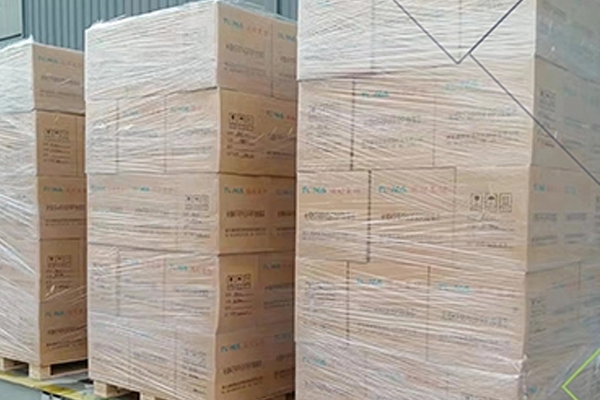
Transport Package Wooden Pallets
Trademark TONA


Thickness Customized
Product Categories FRP Tank
Material FRP
Type Epoxy FRP
Specification Customized
Origin China


Product Description

High-Strength-FRP-Cable-Bracket-with-Easy-Installation-Feature-for-Building-Electrical-Work

Grease trap (1)


Grease trap

The SMC Oil Separation Tank is a high-performance, single-piece molded solution designed for efficient oil-water separation in demanding environments. Constructed from high-strength composite materials (SMC), it overcomes the limitations of traditional concrete or stainless steel tanks, offering superior durability, corrosion resistance, and ease of installation. Ideal for industries handling grease, wastewater, or chemicals, this tank ensures long-term reliability with minimal maintenance.


Key Advantages:

Unmatched Corrosion Resistance
Resists oils, acids, alkalis, and UV radiation, eliminating rust and leakage risks.
Suitable for both indoor and outdoor use without additional protective coatings.
Leakproof & Odor-Free Design
One-piece molding ensures seamless structure and 100% sealing, preventing leaks and foul odor diffusion.
Lightweight & Easy Installation
Weighs 1/3 of concrete tanks, reducing transport and installation costs.
Flexible deployment (ground or underground) to save space.
High Efficiency & Low Maintenance
Optimized internal design maximizes oil-water separation efficiency, meeting environmental standards.
Smooth interior surface prevents dirt buildup, simplifying cleaning.
Eco-Friendly & Cost-Effective
Recyclable materials and low production energy consumption.
15+ years lifespan with significantly lower lifetime costs than traditional options.
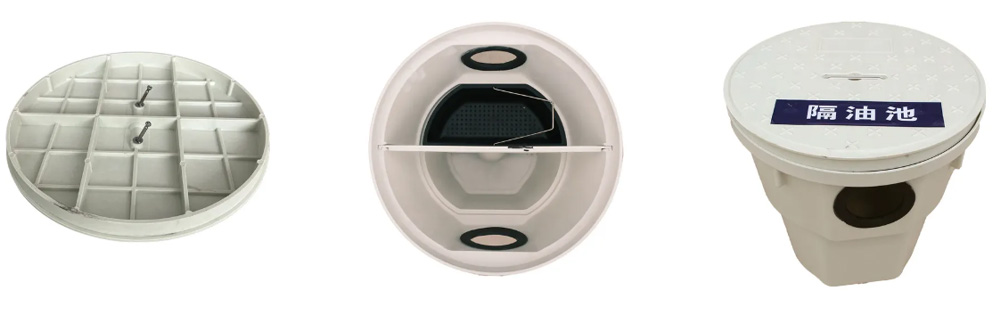
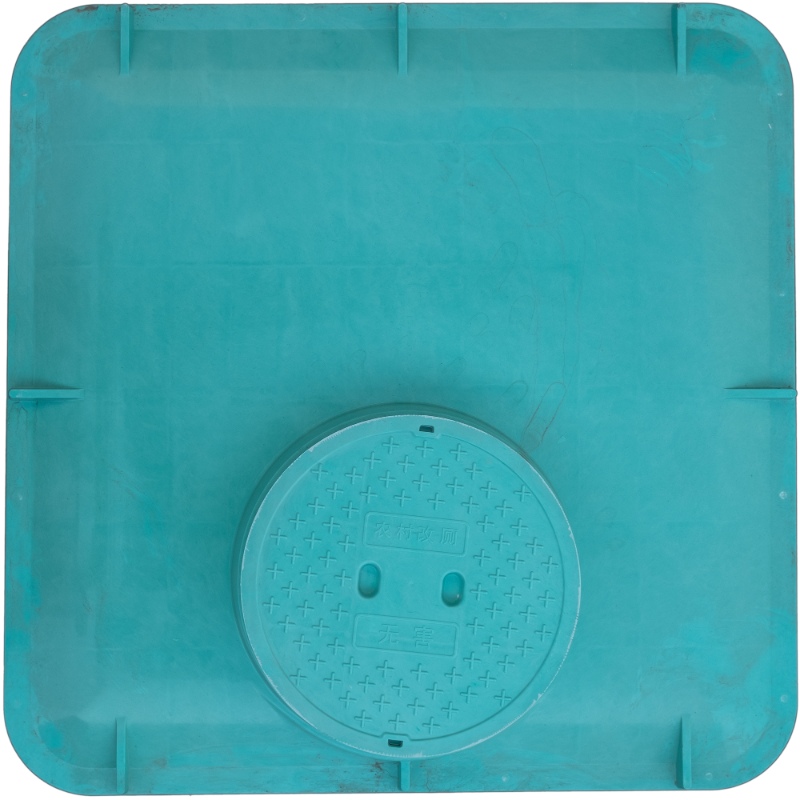
Grease trap1


Grease trap (6)


Applications:
Catering & Restaurants: Kitchen wastewater treatment.
Food Processing: Grease separation in production lines.
Hotels & Commercial Buildings: Underground drainage systems.
Industrial Plants: Chemical or oily wastewater management.


FAQ

Q: Are you a trading company or a manufacturing factory?
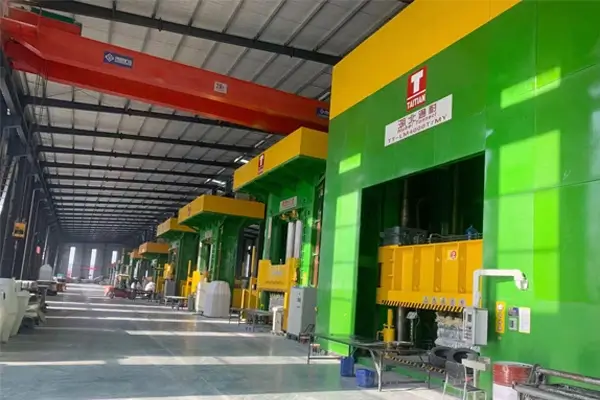
A: We are an entity manufacturer with nearly 20 years of experience in the SMC FRP products field. Our main products include a full range of SMC/FRP items such as FRP rods, septic tanks, drainage ditches, gratings, shower trays, integrated bathrooms, and trash bins.


Q: Do your products comply with foreign standards? Can you guarantee the quality?
A: We can fully guarantee it. Our products have been stably exported to markets such as Southeast Asia, Europe, and the Middle East for more than 10 years. They meet international product quality standards, and their quality has been widely recognized by customers.


Q: What are your advantages compared with other suppliers?
A: 1.Designated cooperative supplier of state-owned enterprises, with guaranteed quality and credibility
2.Owning 2 large-scale production factories to ensure sufficient supply and strong production capacity
3.A sales team with over 10 years of export experience, capable of solving any unexpected problems for you
4.Having established long-term strategic cooperation with core raw material suppliers, we control costs from the source and can provide you with cost-effective prices


Q: What are your payment terms?
A: Generally, it is 30% T/T deposit and 70% balance paid before shipment. If you have special requirements, please feel free to contact us for communication.


Q: Do you accept customization for your products?
A: We can provide full-process customization services. Please contact us and inform us of your product requirements.

PRODUCTS

PRODUCTS

View More
septic tank1

28style septic tank

SMC septic tank is an ideal tank for toilet drain when there is no sewage system and construction chain. 0.5m³-2.5m³septic tanks are suitable for toilet drain and several houses, more bigger one will be used for residence community, supermarket and hotel etc.
Learn More
cable holder (6)

Cable bracket

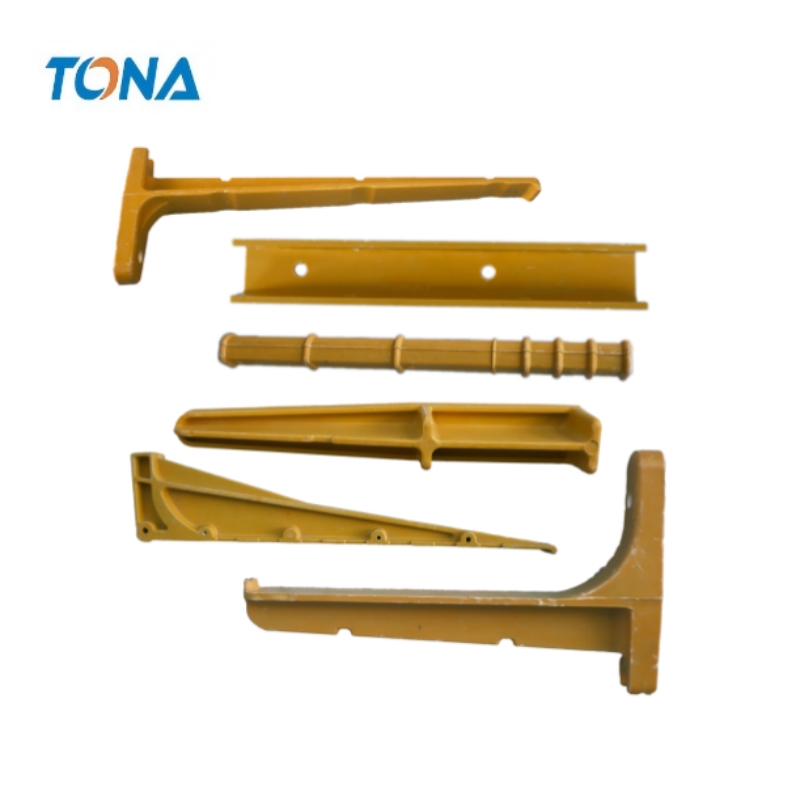
FRP cable brackets (FRP stands for Fiber Reinforced Plastics) are high-quality alternatives to traditional cable brackets made of metal and inorganic materials.
Learn More
Branch box (5)

Branch box

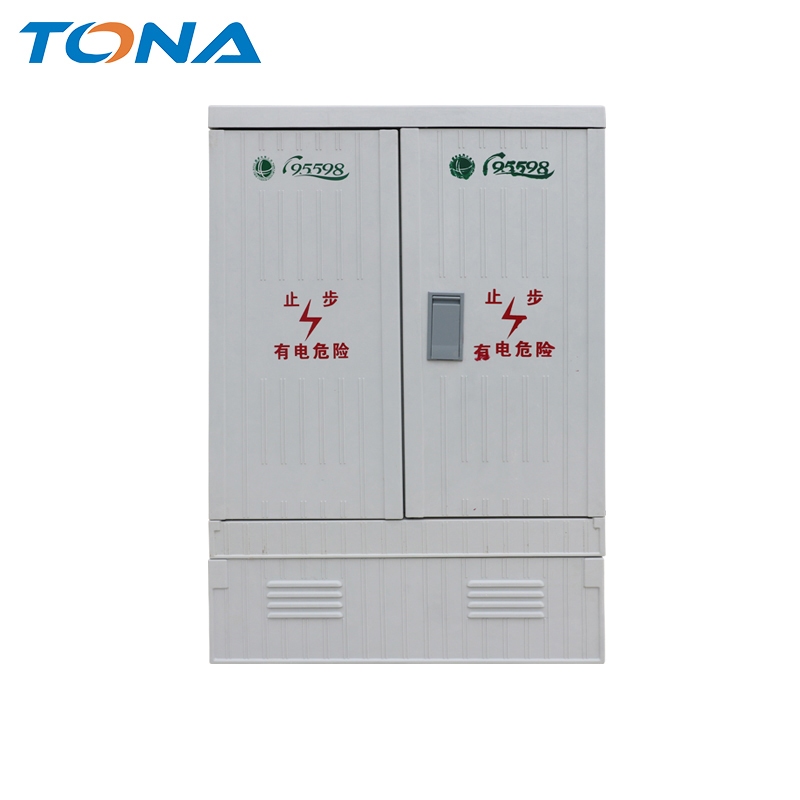
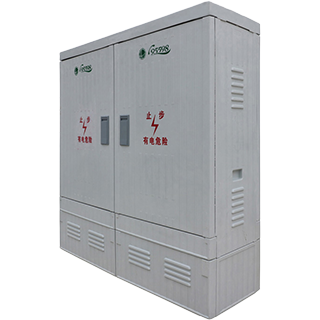
This is a distribution sub-panel specifically designed for power systems, serving as a dedicated device for line branching, power distribution, and circuit protection: The box body is made of weather-resistant and anti-corrosion materials (such as SMC composite materials), with a light-colored and simple appearance. It supports various specifications of compartmental structures (such as single door, double door, or triple door), enabling functions like incoming lines, metering, and compensation. The box interior is reserved for component installation, allowing for the installation of circuit breakers, protectors, and other power accessories. The box surface is marked with "Stop! Danger of Electricity" safety warnings and power service logos. It is mainly applicable to power line distribution and management in outdoor, industrial factory areas, and building power distribution scenarios.
Learn More
Septic tank (1)

55style septic tank

SMC septic tank is an ideal tank for toilet drain when there is no sewage system and construction chain. 0.5m³-2.5m³septic tanks are suitable for toilet drain and several houses, more bigger one will be used for residence community, supermarket and hotel etc.
Learn More
News

News

View More

9/ February

What are the considerations behind the concept of effective volume of a septic tank?

In fact, volume is not a new concept. We consulted relevant materials and found that as early as the beginning of this century, the “Guidelines for Rural Environmental Sanitation Work” and the “Guidelines for Rural Sanitary Toilets in China” used the term “volume” when explaining the design principles and related parameters of three-compartment septic tank toilets. This is because for a three-compartment septic tank, only the lower edge of the overflow pipe is the actual storage space for feces and sewage; the part of the overflow pipe is an empty cavity that does not store feces and sewage. In this regard, the “Rural Household Toilet Hygiene Standards” stipulates that the volume of a three-compartment septic tank should be ≥1.5m³, referring to the storage space. The “Plastic Septic Tank” standard explicitly uses the term “volume.” In 2019, the “Requirements for Rural Household Toilet Construction (Trial Implementation)” jointly issued by the Ministry of Health and the Ministry of Agriculture and Rural Affairs reiterated the importance of volume in the three-compartment household toilet structure. Based on current understanding, some regions do not fully grasp this concept. Using the total volume of the septic tank instead of the actual volume would result in insufficient space for the harmless treatment of sewage, failing to achieve the desired treatment effect within the stipulated retention time. Therefore, this newly released standard explicitly uses volume as a metric, helping to ensure that sewage achieves the desired harmless treatment effect. Furthermore, the standard also provides reference values ​​for septic tank volume based on household size: ≥1.5m³ for households with 3 or fewer people; ≥2m³ for households with 4-6 people; and ≥2.5m³ for households with 7-9 people, facilitating selection by different regions.
Learn More
rural septic tanks9

9/ February

Introduction to the installation method of three-compartment integrated septic tank for rural toilets

Many people nowadays pay great attention to life’s issues, and there are many important aspects to life. If one were to focus on everything, it would consume a lot of time, not to mention effort. Therefore, if you want to focus on one thing, you must first distinguish between them. You can look into what interests you, and if not, you can skip it. So, what is the installation method for a three-compartment integrated septic tank in rural toilets? How is a fiberglass septic tank used?   How to install a three-compartment integrated septic tank in a rural toilet? The process is as follows: Location and placement of the septic tank → Excavation of the foundation pit (with drainage) → Laying the foundation layer → Positioning the septic tank → Filling the septic tank with water → Symmetrical layered backfilling and compaction → Connecting the vent pipe → Constructing the inspection well → Acceptance. The positioning, burial depth, inlet and outlet pipe ends, and inspection wells for the integrated fiberglass septic tank should be determined according to design requirements. The bearing capacity of the foundation should not be less than 100KN/m²; otherwise, foundation treatment should be carried out, with specific measures determined by the designer. After excavating the foundation pit to the predetermined elevation (without disturbing the existing soil layer), if there is no groundwater, level the underlying layer of the foundation pit, and then lay a 150mm thick medium-coarse sand cushion layer as the foundation for the septic tank. If there is groundwater or during excavation, backfill with sand and gravel or crushed stone with a particle size not exceeding 40mm, with a compaction degree ≥95%. When the soil quality is poor, it is advisable to cast-in-place reinforced concrete foundations and determine the drainage measures to be taken when excavating the foundation pit, based on calculations.   How to use a three-compartment integrated septic tank in rural toilets? 1. The selection of fiberglass septic tanks is based on the specific building and the design parameters are calculated by the project designer. 2. The location of the fiberglass septic tank should, in principle, not affect the building foundation; generally, it should be no less than 10m away from drinking water reservoirs and no less than 30m away from underground water intake structures. When the building foundation plane is higher than the septic tank foundation plane, the distance from the outer wall of the septic tank should not be less than 2m. When the building foundation plane is lower than the septic tank foundation plane, the net distance from the outer wall of the septic tank to the outer wall of the building should not be less than 5m. 3. The integrated fiberglass septic tank should also be covered with soil at a depth of 0.3m. The soil cover should not exceed 3m. In cold regions, when the temperature is below -10℃, the soil cover depth of the septic tank should not be less than 12m. In areas where the average monthly temperature is less than -13℃, when considering the installation depth of the fiberglass septic tank, the designer should preferably place it below the frost line of the region. 4. Fiberglass septic tanks should be installed in green belts, lawns, or under sidewalks, with the soil cover not exceeding 1.5m; they can also be installed on roads.   5. Manhole Covers: When vehicles do not pass through, use lockable lightweight double-layer manhole covers and covers; when vehicles can pass through, use lockable heavy-duty double-layer covers. For fiberglass septic tanks, considering the needs of community greening or road/square paving, cast iron or polymer manhole covers are flush with the ground. In paved areas, the manhole cover can be appropriately lowered below the paving bricks, ensuring the paving bricks on the manhole cover can be opened when needed. The above mainly describes the installation method of a three-compartment integrated septic tank in rural toilets and how to use a fiberglass septic tank. Septic tanks are particularly important in rural toilets, and while the installation difficulty is not too high, the main focus is on certain components. Therefore, to understand these aspects, it is essential to first investigate the parts before mastering the installation method.
Learn More
rural septic tanks5

9/ February

How to determine the dimensions of a 1-2-3 compartment septic tank for rural toilet renovation?

1. The volume of a three-compartment septic tank should be ≥1.5m³. The volume ratio of compartments 1, 2, and 3 should be 2:1:3. If the width of the second compartment is less than 50cm, it can be increased to 50cm. The retention time for feces in the three-compartment septic tank should be: no less than 20 days for the first compartment, no less than 10 days for the second compartment, and the volume of the third compartment depends on the fertilization cycle, generally not less than the sum of the first and second compartments. 2. The depth of the three compartments should be the same and should not be less than 1000mm. The baffles inside the compartments should be securely and sealed to the tank body using grooves or similar methods to ensure no leakage between the compartments. 3. An inlet pipe should be installed between the toilet and the three-compartment septic tank. The inner wall of the inlet pipe should be smooth, with an inner diameter ≥100mm, and it should be short and straight, with an angle greater than 15° to the ground. The lower end of the inlet pipe should protrude approximately 50mm from the wall of the first compartment. 4. The overflow pipe is used to tightly connect the three-compartment septic tank and ensure smooth flow of sewage. 5. The overflow pipe should be made of smooth pipe with an inner diameter ≥ 100mm, and be installed in an I or inverted L shape. The inlet of the overflow pipe connecting the first and second compartments should be at the lower third of the first compartment wall, and the upper edge of the overflow pipe should be less than or equal to 60mm from the top of the compartment. The inlet of the overflow pipe connecting the second and third compartments can be at the lower third or half of the second compartment wall, and the overflow outlet is the same as the overflow pipe connecting the first and second compartments. The overflow pipes connecting the first and second compartments and the overflow pipes connecting the second and third compartments can be installed alternately. 6. The inlet channel is the passage connecting the toilet outlet to the septic tank. It can be directly constructed with cement bricks or connected with a 100mm inner diameter PVC plastic pipe. If the septic tank is outdoors, the toilet bowl is connected to the inlet pipe. The toilet bowl should be properly sealed. If the first chamber is indoors and a straight-through toilet is used, a 45-degree plastic elbow or trap should be installed to prevent sewage splashing and reduce odor from escaping from the first chamber. A suitable slope must be maintained during construction and installation to facilitate sewage flow. The inlet and outlet pipes should be staggered and kept at a certain distance. 7. The cover of the three-compartment septic tank must have maintenance openings for the first, second, and third compartments, and these openings should be sealed. The first compartment should have an inlet for waste disposal along its upper edge and a sludge removal opening on the top of its cover. The second compartment should have a sludge removal opening on the top of its cover, and the third compartment should have an outlet for waste disposal. The cover should be made of anti-aging materials such as fiberglass reinforced composite material or cast iron, and should have a locking device. 8. An exhaust pipe should be installed in the first compartment. The pipe should be circular with an inner diameter ≥75mm and extend 500mm above the toilet roof, or fitted with a rainproof (fly-proof, windproof) cap. 9. Arrangement of the three-compartment septic tanks: Rectangular septic tanks are commonly used because they extend the sedimentation time of waste, which is beneficial for harmless treatment. Other arrangements include triangular, square, and circular designs.
Learn More
septic tank9

9/ February

How about using septic tanks for toilets in rural areas?

What are the best materials for septic tanks in rural toilets? The guidelines for rural toilet renovation state the following: Septic tanks in rural toilets should be made of harmless, corrosion-resistant materials with leak-proof properties, such as fiberglass. However, the choice of septic tank should be based on local conditions and the specific environment.
Learn More
rural septic tanks5
ABOUT
Contact Us

Sign Up and Never Miss a Deal Again

We are committed to providing our customers with reliable performance, competitive pricing, and professional support to help businesses communicate more effectively.

    Your Name*

    Email*

    Tel*

    WhatsApp*

    Message*

    Products
    Contacts
    WhatsApp
    Email